


UK Smoking Ban 2008 Generation Signals Long Term State Control Strategy
UK Smoking Ban 2008 Generation Marks Historic Policy Shift
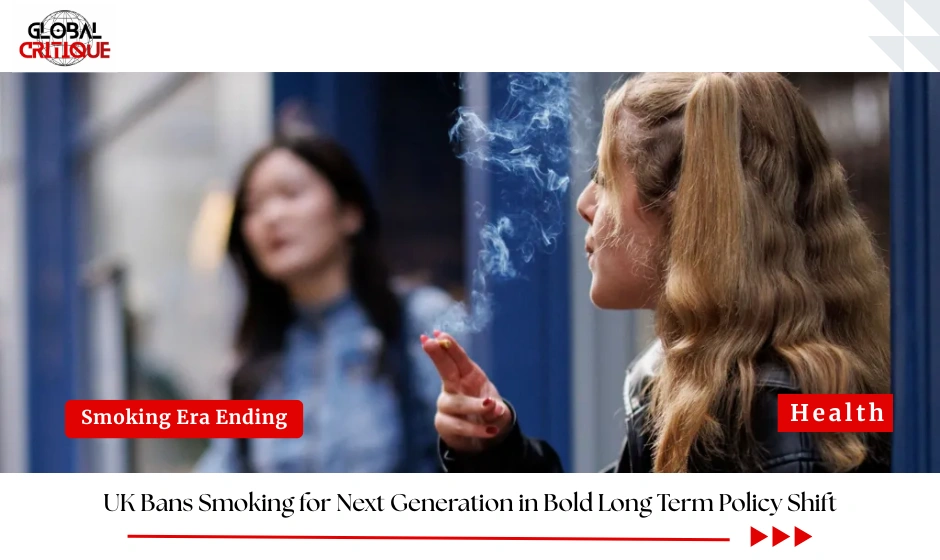
The UK smoking ban 2008 generation policy has been approved, meaning individuals born after 2008 will never legally be able to buy cigarettes in the United Kingdom.
This is not just a public health move it represents a long-term structural shift in how the state regulates behavior.
What Happened: Permanent Restriction on Future Generations
The UK smoking ban 2008 generation law introduces a rolling age restriction, effectively phasing out smoking over time.
Instead of banning cigarettes outright, the government is targeting future consumers, ensuring demand gradually disappears.
This approach avoids immediate backlash while achieving long-term goals.
Past Context: Decades of Tobacco Control
The UK has spent years tightening smoking regulations through taxes, advertising bans, and public restrictions.
Smoking rates have already declined significantly, but governments have continued pushing toward a smoke-free society.
The UK smoking ban 2008 generation is the most aggressive step in that direction.
Core Reason: Reducing Health Burden and Economic Cost
At the center of the UK smoking ban 2008 generation policy is a financial and strategic calculation.
Smoking → healthcare costs rise
Public health burden → pressure on NHS
Long-term ban → future cost reduction
This is no longer just a health campaign it is an economic and policy-driven intervention.
Power Players Driving the Policy
The move is shaped by key figures and institutions:
- Keir Starmer → leading policy direction
- UK government → implementing long-term regulation
- Public health authorities → pushing anti-smoking agenda
These players are shaping the UK smoking ban 2008 generation framework.
Strategic Angle: Gradual Control Without Immediate Shock
The UK smoking ban 2008 generation highlights a calculated strategy.
Instead of sudden prohibition, the government is using gradual restriction to reshape behavior across generations.
This is no longer just regulation, it is a controlled social transformation policy.
Impact on UK Economy and Society
The policy could reduce long-term healthcare costs and improve productivity, but it also raises questions about personal freedom and government control.
Businesses in the tobacco sector may face declining demand, while black market risks could emerge over time.
Where This Leads
The UK smoking ban 2008 generation is setting a global precedent.
If successful, similar policies could be adopted worldwide, redefining how governments approach public health and regulation.
Get the latest updates on health, wellness, and medical news.