

Keir Starmer’s Cautious Stance on Military Engagements Over Two Decades
In March 2003, Keir Starmer QC wrote in The Guardian that “engaging in armed conflict in breach of international law is a precarious business,” warning against Britain joining the Iraq War. Almost 25 years later, now Sir Keir Starmer KC, he faces a similarly complex decision regarding American military operations in the Middle East.
Balancing Lessons from Iraq with Current Decisions
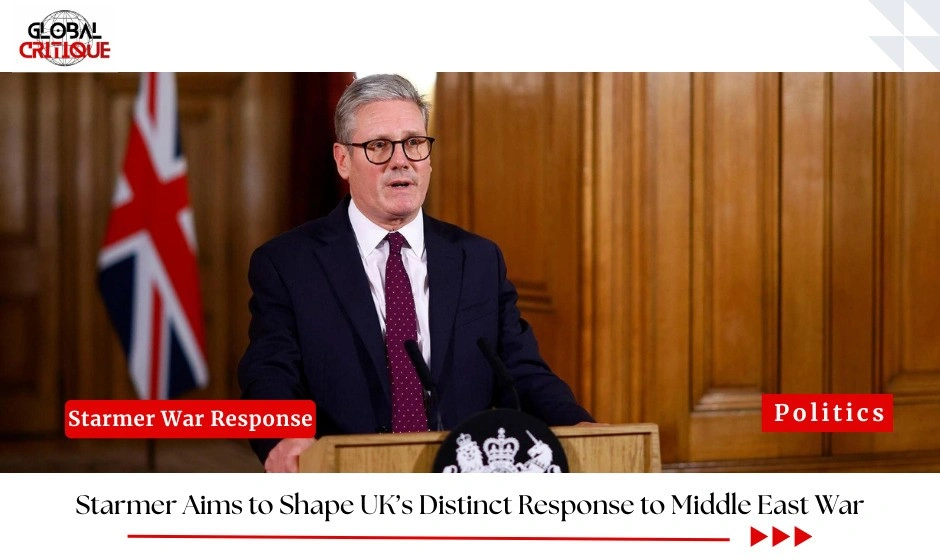
In a recent address released by Downing Street, Starmer emphasized the lessons learned from Iraq. He highlighted the importance of national interest, repeatedly referencing Britain in his statement: “This is the British government, protecting British interests and British lives.” The focus was on ensuring that the UK’s involvement is measured and independent, rather than aligning fully with broader US or Israeli objectives.
A Distinct British Position
Starmer has differentiated the UK’s approach by refraining from joining the initial wave of strikes, signaling a careful stance that avoids the broader offensive actions previously requested by the US. This approach reflects a conscious effort to prioritize legality and proportionality in the UK’s military engagement.
Limited UK Support for US Operations
While the UK will not participate in offensive operations against Iran, the government has agreed to allow US use of joint UK-US bases. The stated purpose is highly specific: to reduce Iran’s ability to launch missile and drone attacks across the region, particularly in Gulf states where British citizens reside.
Strategic and Legal Distinctions
Government officials stress that this limited permission is fundamentally different from earlier requests, which Starmer previously rejected. The UK’s current stance aims to maintain defensive responsibility without endorsing wider regime change efforts, balancing national security with legal and ethical considerations.