

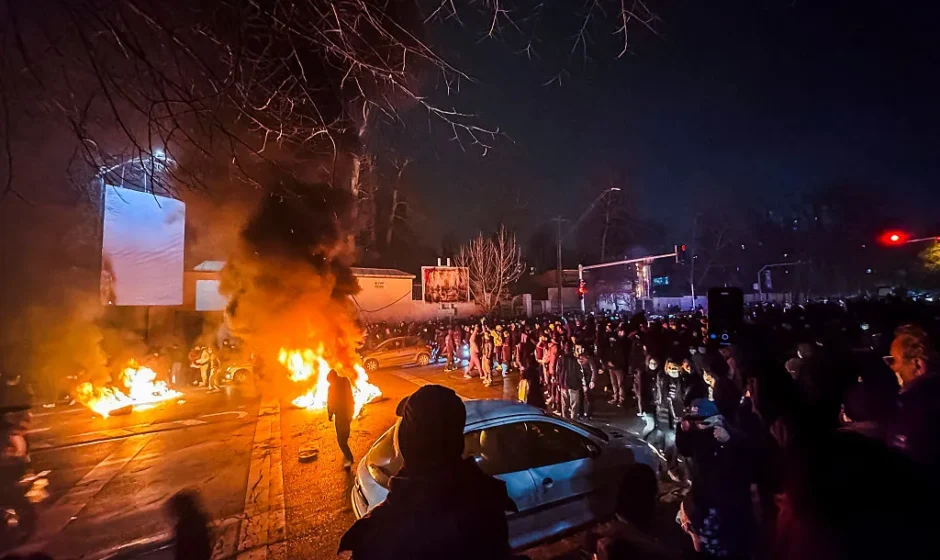

When authorities say protests have been quelled, they’re usually talking about streets, not people. Streets can be cleared. Crowds can be pushed away. But anger doesn’t disappear that easily. It moves indoors. It settles into conversations whispered at night. It lives on in memory.
Claims that unrest has ended often reveal more about fear at the top than calm below. When hundreds of lives are reportedly lost, the emotional weight doesn’t vanish with official statements. Loss changes people. Grief hardens into resolve. And resolve doesn’t respond to declarations.
Human behavior under extreme pressure follows a familiar pattern. At first, there is shock. Then fear. Then silence. But silence doesn’t always mean acceptance. Sometimes it means people are recalibrating — learning where the limits are, deciding how to survive without surrendering what they feel.
What’s unfolding isn’t just about protest or control. It’s about dignity. When people risk everything to be seen or heard, they don’t simply return to normal because someone says the situation is under control. Normal becomes impossible once a line has been crossed.
There’s also the psychological cost of denial. When lived experience and official narratives clash, trust erodes. People stop believing words and start believing only what they witness. That disconnect creates a quiet but powerful fracture between authority and everyday life.
Fear still exists — fear always exists — but fear evolves. Early fear stops people from acting. Prolonged fear teaches people how to endure. When endurance sets in, control becomes harder, not easier. The absence of visible protest doesn’t equal peace; it often signals exhaustion mixed with determination.
Communities absorb trauma collectively. Stories of loss spread even when media is restricted. Grief becomes shared. And shared grief builds bonds that aren’t easily broken. These emotional networks survive even when public spaces are tightly controlled.
Another human truth often overlooked is memory. People remember who stood with them and who denied their pain. Memory doesn’t fade because statements are issued. It lingers, shaping how people think, speak, and raise the next generation.
What’s happening now feels less like an ending and more like a pause forced by force. Pauses can last weeks, months, even years. But they don’t erase what caused the anger in the first place. They simply delay the moment when it resurfaces in another form.
When unrest is declared over while pain remains unresolved, tension doesn’t dissolve — it sinks deeper. And history shows that buried emotion rarely stays buried forever.
In moments like these, the real story isn’t about whether protests are visible. It’s about what people carry inside when the streets fall quiet.