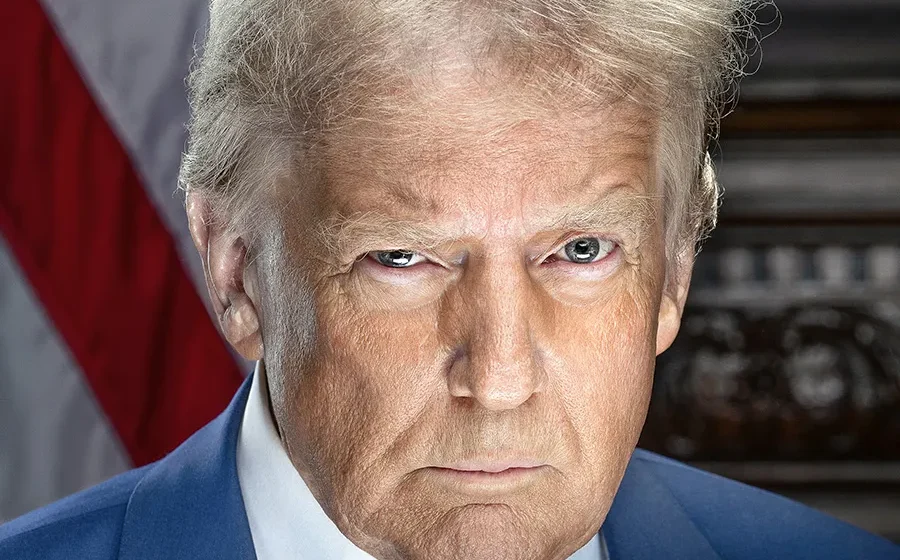

Former US President Donald Trump has issued a stark warning to Iran, stating that the United States would intervene if Iranian authorities kill protesters amid growing unrest. His remarks come as demonstrations inside Iran continue to draw global attention and raise concerns about human rights and state violence.
Speaking about the situation, Trump emphasized that the treatment of civilians during protests would be closely watched by the international community. He framed the warning as a red line, suggesting that violent crackdowns resulting in civilian deaths could trigger a strong response from the United States.
Protests in Iran have emerged periodically in response to economic hardship, political restrictions, and broader demands for personal freedoms. Demonstrators have called for reforms while security forces have often responded with arrests, internet restrictions, and force. Reports of clashes between protesters and authorities have intensified scrutiny from foreign governments.
Trump’s statement reflects a more confrontational posture toward Iran, consistent with his past approach during his presidency. He argued that allowing violence against protesters would signal weakness and undermine global norms on human rights. According to his comments, US intervention would be aimed at preventing mass killings rather than seeking broader conflict.
Iranian officials have repeatedly rejected foreign involvement, insisting that protests are internal matters and accusing external powers of interference. Tehran has historically responded strongly to international criticism, viewing it as an attempt to destabilize the country.
The warning raises questions about what form any potential US intervention could take. Analysts note that intervention does not necessarily imply military action. Diplomatic pressure, sanctions, international coordination, and public condemnation are often used to influence state behavior. However, Trump’s language suggests a willingness to escalate if conditions worsen.
Human rights organizations continue to urge restraint and accountability, calling on Iranian authorities to protect civilians’ right to protest peacefully. At the same time, global leaders are balancing condemnation with caution, aware that heightened rhetoric could increase tensions in an already volatile region.
The situation remains fluid, with developments inside Iran evolving rapidly. Whether Trump’s warning translates into concrete policy action remains uncertain, but it adds pressure at a critical moment.
As protests continue, the international response — and Iran’s reaction to it — will likely shape the next phase of the crisis. For now, Trump’s message underscores how closely the unrest is being monitored and how quickly it could escalate onto the global stage.