

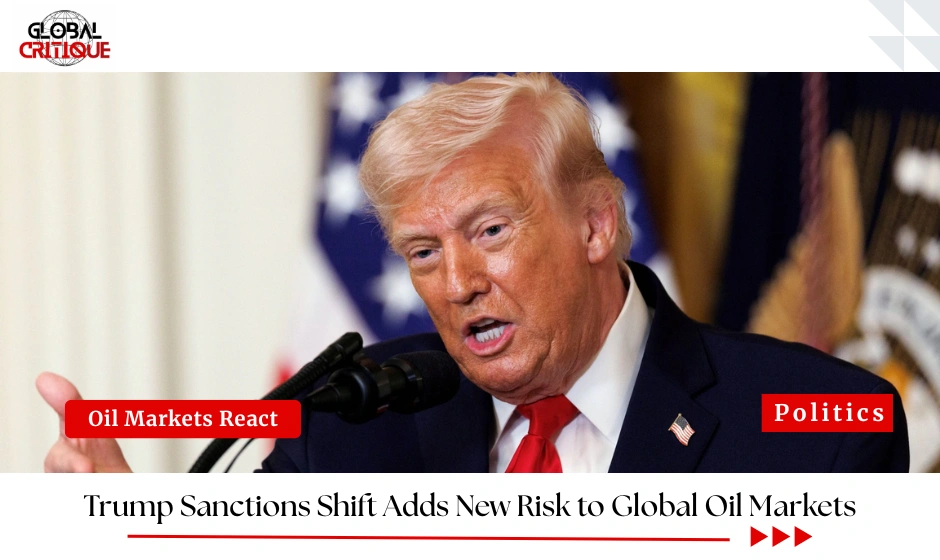

Trump’s Russia Sanctions Shift Raises New Pressure on Energy Markets
A temporary easing of restrictions on Russian oil has added a new layer of risk to global energy markets. The move was presented as a way to steady supply after oil prices surged, but it has also raised concerns that extra Russian exports could weaken financial pressure on Moscow. The business impact is clear, energy pricing, sanctions policy, and market confidence are now colliding again.
Oil Stability Is Driving the Policy Change
The sanctions waiver allows countries to buy Russian oil and petroleum products that were already at sea, with the measure running until April 11. The stated goal is to reduce supply strain after the Iran war disrupted markets and pushed oil prices sharply higher. That makes this less about diplomacy and more about trying to contain an energy shock before it spreads deeper into the global economy.
European Allies See a Business and Security Risk
The response from Europe has been uneasy. British officials said allies should keep collective pressure on Russia, while other European voices argued that loosening oil sanctions could undercut the broader effort to limit Kremlin revenue. That criticism matters because sanctions only work well when major partners move in the same direction.
The Market Question Is Bigger Than One Waiver
The short-term waiver may help calm energy prices, but it also changes expectations. Traders, refiners, and shipping markets now have to price in the chance the sanctions policy could become more flexible when oil spikes. That creates uncertainty for businesses that rely on stable rules around supply, transport, and compliance.
Russia Could Benefit From Extra Oil Revenue
Critics of the policy argue that even a temporary easing could channel more money toward Russia’s war economy. Reuters reported that the waiver could affect around 100 million barrels of Russian crude and could potentially direct about $10 billion toward Moscow’s finances, for business readers, that turns a supply decision into a wider geopolitical and financial risk story.
This Matters for Energy Buyers and Investors
For companies and investors, the message is straightforward. Oil markets are being shaped not only by war and supply routes, but also by fast-changing sanctions decisions. That affects fuel costs, inflation expectations, transport spending, and broader risk sentiment. In practical terms, businesses now face a market where energy policy can move just as quickly as prices.
A Temporary Fix May Create Longer Term Uncertainty
The waiver may offer short-term breathing room, but it could also leave markets less certain about the future direction of sanctions policy. If more carve-outs follow, businesses may start treating geopolitical restrictions as negotiable during price shocks. That would make long-term planning harder for importers, exporters, energy traders, and compliance teams alike. This is an inference based on the waiver’s scope and the reaction from allies.
Discover how politics and business strategies are influencing economies