

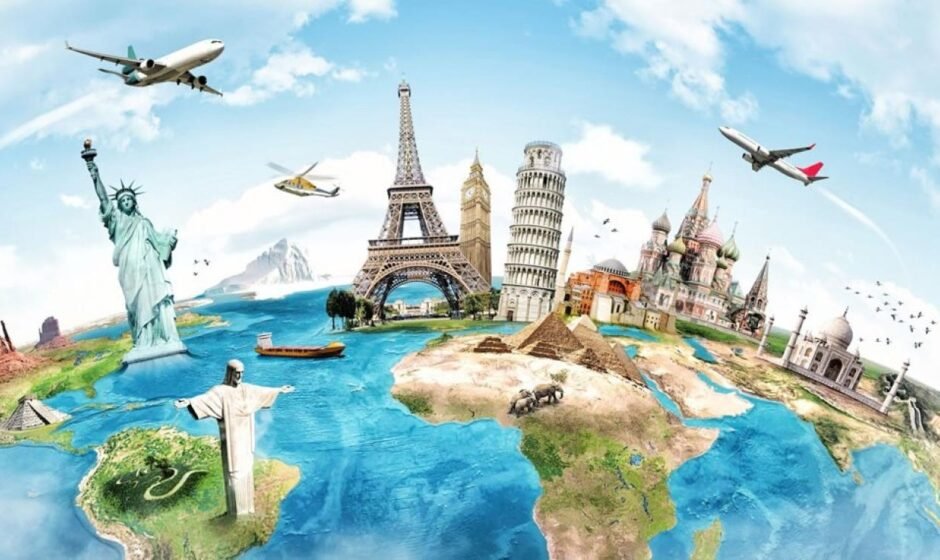

Travel in 2026 is no longer driven by impulse alone. After years of disruption, travelers are becoming more deliberate, asking not just where can I go, but where should I go and why. The result is a shift in how people choose destinations, transportation, and timing. Travel decisions are now as much about emotional comfort and practicality as they are about excitement.
People are increasingly drawn to places that offer ease rather than intensity. Destinations with reliable infrastructure, manageable crowds, and a sense of calm are rising in appeal. Travelers want experiences that feel restorative, not exhausting. The desire to disconnect has quietly replaced the urge to collect stamps or chase trends.
At the same time, there’s growing hesitation around destinations that feel overstretched. Overcrowding, strained local resources, and rising costs are shaping behavior. When places feel overwhelmed, travelers instinctively pull back. Human behavior avoids friction, especially during leisure time. If a destination feels stressful before arrival, many simply choose somewhere else.
Transportation choices are also revealing changing priorities. Planes are still dominant, but people are paying closer attention to reliability and comfort. Delays, cancellations, and congestion have made travelers more patient and more cautious. Trains and slower routes are gaining emotional appeal because they promise predictability and control. The journey itself is becoming part of the experience again.
Another factor shaping travel choices is timing. People are traveling off-season more deliberately, avoiding peak periods not just for cost reasons, but for peace of mind. Crowds amplify stress, and modern travelers are increasingly protective of their mental space. Quiet has become a luxury.
There’s also a subtle ethical awareness influencing decisions. Travelers are thinking about impact on local communities, environments, and cultures. This doesn’t mean everyone is choosing remote eco-retreats, but it does mean people are more selective. Destinations perceived as resilient and welcoming tend to attract more confidence.
On the flip side, places associated with instability, logistical complexity, or unpredictability are prompting hesitation. Travelers aren’t necessarily avoiding risk entirely, but they are more honest about their tolerance for it. Leisure time feels too valuable to gamble.
Ultimately, travel in 2026 reflects a broader human pattern: people are seeking alignment. Alignment between expectation and reality. Between rest and stimulation. Between adventure and ease.
Where people choose to go or not go now reveals as much about emotional needs as geographic interest. The most appealing destinations are those that promise clarity, comfort, and a sense that the experience will give more than it takes.
In 2026, travel isn’t about chasing everywhere. It’s about choosing wisely and feeling good about that choice long after the trip ends.