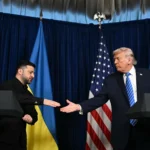



Former US President Donald Trump has issued a sharp warning directed at Venezuela’s leadership, signaling that any successor to Nicolás Maduro could face even harsher consequences if American demands are not met. The statement reflects a continuation of the hardline stance that defined US policy toward Venezuela during Trump’s time in office and underscores ongoing tensions between Washington and Caracas.
Trump’s warning centers on the future of Venezuela’s political leadership and the country’s relationship with the United States. He suggested that failure to comply with US expectations could result in intensified pressure, including stronger economic and diplomatic measures. This message appears aimed at deterring any future government from maintaining policies that conflict with US strategic interests.
During his presidency, Trump adopted an aggressive approach toward Venezuela, relying heavily on sanctions and international pressure to isolate the Maduro government. These measures were intended to force political change but also had significant economic consequences for the country. Trump’s latest remarks indicate that he continues to believe such tactics are effective tools of leverage.
The warning comes at a time when Venezuela remains politically fragile and economically strained. Leadership transitions in such environments often attract close attention from global powers, particularly when strategic resources and regional stability are involved. Trump’s comments suggest that Washington’s expectations would remain firm regardless of who leads the country next.
Analysts note that statements like these can influence diplomatic calculations within Venezuela. Potential leaders may weigh the risks of confrontation against the benefits of engagement, especially given the country’s ongoing economic challenges. At the same time, such rhetoric may reinforce nationalist sentiment among political groups resistant to foreign pressure.
The broader implications extend beyond Venezuela. The warning reflects how US foreign policy narratives can persist beyond a presidency, shaping expectations and signaling future intentions. It also highlights how leadership changes in politically sensitive regions remain closely tied to international power dynamics.
In conclusion, Trump’s warning sends a clear message that US demands toward Venezuela are unlikely to soften easily. Whether this approach encourages cooperation or deepens resistance will depend on future leadership decisions and diplomatic strategies. What remains certain is that Venezuela’s political path will continue to attract intense international scrutiny.