


Russia and Ukraine carried out overnight strikes targeting key port infrastructure along the Black Sea, marking another escalation in a conflict that continues to shape regional security and global trade routes. The attacks underline the strategic importance of maritime access points as both sides seek leverage amid ongoing hostilities.
According to officials from both countries, the strikes involved missile and drone activity aimed at port facilities used for logistics, exports, and military supply operations. While details remain limited, early reports suggest damage to infrastructure, temporary disruptions to shipping activity, and heightened security alerts across coastal regions.
Black Sea ports play a crucial role not only in military operations but also in global commerce. The region is a vital corridor for energy shipments, agricultural exports, and industrial goods. Any disruption has immediate ripple effects, raising concerns among international markets and neighboring countries that rely on stable maritime trade.
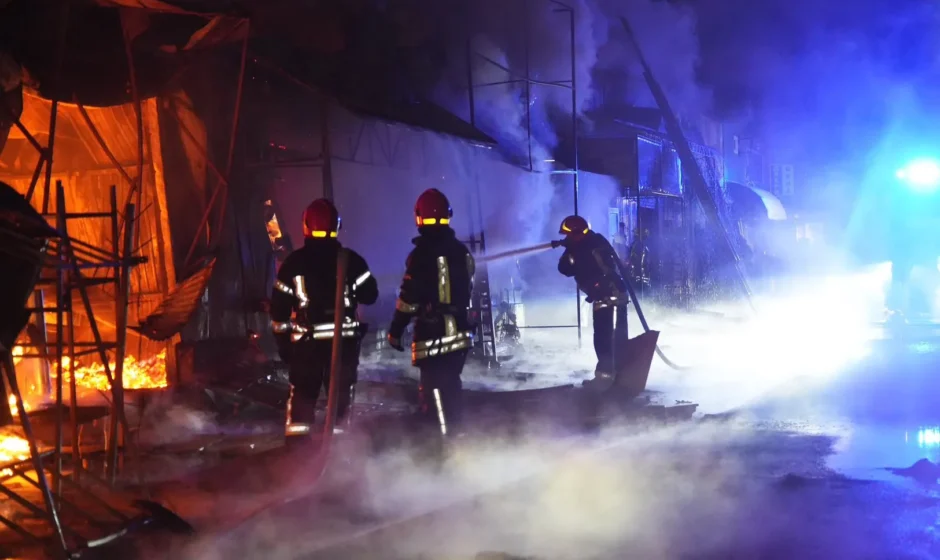
Emergency services were deployed following the overnight strikes to assess damage and ensure civilian safety. Authorities emphasized that defensive measures were activated, and investigations are ongoing to determine the full impact on port operations. There were no immediate confirmations of casualties, though assessments are continuing.
Military analysts note that targeting ports reflects a broader strategy aimed at weakening supply chains and economic resilience. Control over maritime infrastructure can influence both battlefield dynamics and diplomatic pressure, especially as negotiations remain stalled.
The renewed strikes also increase risks for commercial vessels operating in or near the Black Sea. Shipping companies have already adjusted routes, insurance costs have risen, and some operators are exercising greater caution due to security concerns. These developments add to existing strain on global logistics networks.
International reactions have focused on calls for restraint and protection of civilian infrastructure. Diplomatic efforts continue behind the scenes, but progress toward de-escalation remains uncertain. The situation highlights how fragile stability remains despite periodic discussions about ceasefires or humanitarian corridors.
As winter conditions intensify, the conflict’s impact on energy supplies and trade is expected to remain a key issue. Ports, pipelines, and transport hubs are likely to stay at the center of strategic calculations on both sides.
For now, the overnight exchange of strikes serves as a reminder that the Black Sea remains a critical and contested zone. Developments in the region will continue to influence not only the trajectory of the conflict but also broader economic and geopolitical stability in the months ahead.