

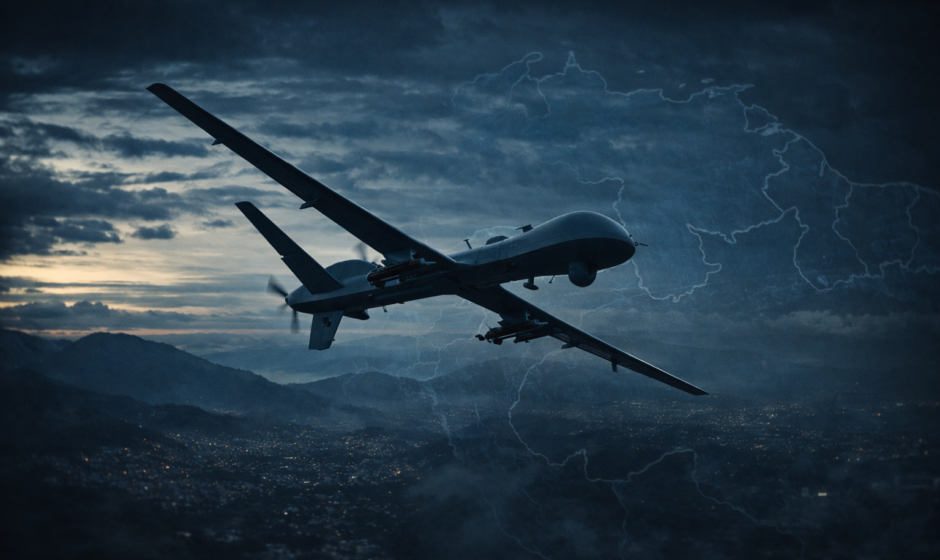

Reports of a CIA-linked drone strike inside Venezuela have intensified political tensions in the region, raising serious questions about sovereignty, intelligence operations, and the future of U.S.–Latin America relations. While details remain limited and official confirmations are scarce, the allegations have already sparked sharp reactions from Venezuelan officials and renewed scrutiny of covert operations in the hemisphere.
According to the reports, the drone strike targeted individuals or locations connected to alleged security threats. U.S. officials have not publicly confirmed operational details, reflecting the sensitive nature of intelligence activities. However, the mere suggestion of a CIA-linked strike inside Venezuela represents a significant escalation in the already strained relationship between Washington and Caracas.
Venezuela’s government has condemned the incident, framing it as a violation of national sovereignty and international law. Officials argue that foreign military or intelligence actions inside the country undermine stability and fuel regional insecurity. The accusations also play into long-standing narratives used by the Venezuelan government to rally domestic support against perceived external interference.
From a geopolitical perspective, the situation underscores the complex dynamics between the United States and Venezuela. Years of sanctions, diplomatic isolation, and political disputes have created an environment of deep mistrust. Intelligence operations — whether confirmed or alleged — add another layer of tension to an already fragile relationship.
The reported drone strike also raises broader questions about the use of unmanned systems and covert actions beyond traditional war zones. As drone technology becomes more advanced and accessible, intelligence agencies worldwide are increasingly relying on remote operations to address perceived threats. This trend, however, has sparked debate over accountability, transparency, and the legal frameworks governing such actions.
Regional implications are also significant. Latin American leaders have historically expressed concern over foreign intervention, and incidents like this risk straining diplomatic ties beyond Venezuela. Neighboring countries may face pressure to respond politically or reassess their security cooperation with major powers.
For the United States, balancing national security priorities with diplomatic fallout remains a persistent challenge. Covert operations are designed to limit exposure, but when they become public, they can complicate foreign policy objectives and provoke backlash.
Ultimately, the reported CIA drone strike highlights how intelligence operations, even when aimed at specific threats, can have wide-ranging political consequences. As more information emerges, the incident is likely to fuel debates about sovereignty, security, and the evolving role of intelligence agencies in a world increasingly shaped by remote warfare.