

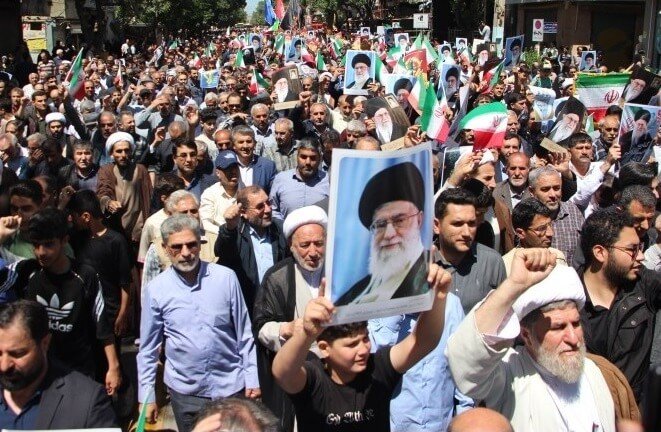

Something has shifted in the air. The anger hasn’t faded — it has hardened. What once felt like frustration has turned into determination, and that change matters more than any headline or statistic. When people say they are “more angry and determined now,” they aren’t talking about a single moment. They are talking about exhaustion turning into resolve.
For many, daily life has become a quiet struggle. When pressure builds slowly — through rising costs, limited freedom, fear, and uncertainty — it doesn’t always explode immediately. At first, people adapt. They stay quiet. They hope things will improve. But when nothing changes, something inside breaks. Silence turns into resistance.
What makes this moment different is that the fear feels weaker than before. Fear usually keeps people still. But when people feel they have little left to lose, fear loses its grip. Anger becomes a source of energy instead of paralysis. Determination replaces hesitation.
Protests are not just about politics. They are about dignity. About being seen. About being heard after feeling invisible for too long. When people take to the streets despite the risks, it’s often because staying silent feels heavier than speaking out. That emotional tipping point is powerful.
There’s also a shared feeling growing — a sense that individuals are no longer alone. When one person stands up, it gives courage to another. Anger becomes collective, and determination spreads quietly, person by person. This is how movements survive pressure. Not through organization alone, but through shared emotion.
People involved in these protests aren’t chasing sudden change. Many know change may be slow or painful. What drives them is the refusal to return to quiet acceptance. Once that mental line is crossed, it’s very hard to step back.
Another important shift is patience. Earlier protests often burned fast and faded. Now, the mood feels steadier. Less reactive, more grounded. Anger mixed with determination creates endurance. It allows people to keep going even when immediate results don’t appear.
Human behavior under long pressure follows patterns. Suppression may stop action temporarily, but it rarely erases feeling. If anything, it compresses it. And compressed emotion doesn’t disappear — it waits.
Right now, the message coming from the streets isn’t just anger. It’s clarity. People know why they’re upset. They know what they’re standing against. And that clarity makes determination harder to break.
In moments like these, the future becomes unpredictable. But one thing is certain: when anger turns into resolve, people don’t easily forget why they stood up in the first place.