

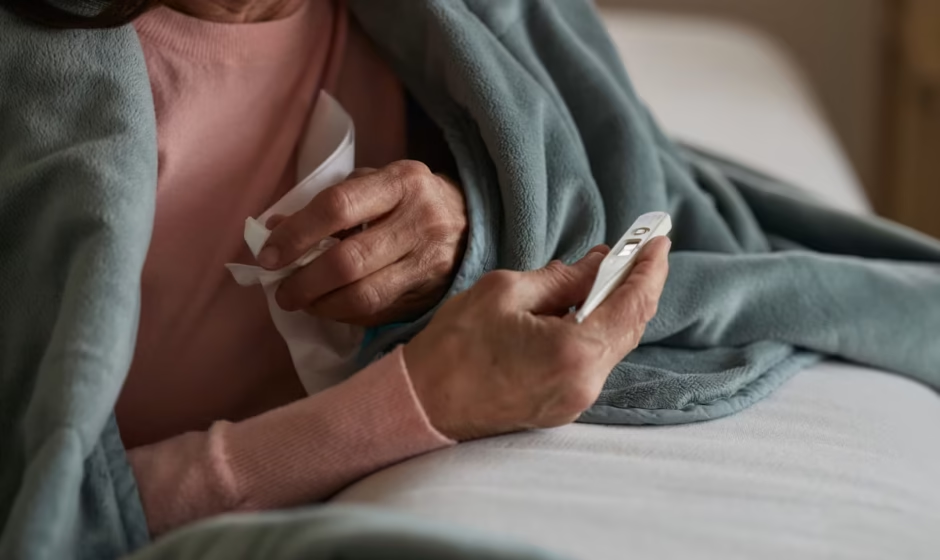

As the holiday season brings family gatherings, travel, and packed social calendars, it also coincides with one of the most active periods of flu season. Health experts warn that the combination of colder weather and increased indoor contact makes late December a prime time for flu transmission — just as people are most eager to celebrate.
One of the biggest reasons flu spreads so easily during the holidays is close contact. Parties, airports, public transportation, and family dinners bring people together in enclosed spaces, allowing respiratory viruses to circulate more freely. Even individuals who feel only mildly ill can unknowingly spread the virus to others, including older adults and people with weakened immune systems.
Another factor is travel-related exposure. Airports and crowded planes create ideal conditions for flu transmission. Long journeys can also weaken the immune system due to stress, disrupted sleep, and dehydration, making travelers more vulnerable to infection.
Symptoms of the flu often appear suddenly and can include fever, chills, body aches, fatigue, sore throat, and cough. Unlike a common cold, the flu can lead to serious complications such as pneumonia, especially for seniors, young children, pregnant individuals, and those with chronic health conditions.
Health professionals emphasize that vaccination remains the most effective defense. Even if someone gets the flu after being vaccinated, symptoms are often milder and recovery is faster. While early fall is ideal for flu shots, getting vaccinated later in the season can still provide protection during peak months.
Simple preventive habits also make a difference. Washing hands frequently, covering coughs and sneezes, and avoiding close contact with sick individuals can reduce risk. If you’re feeling unwell, staying home — even during the holidays — helps protect others and prevents wider spread.
Experts also encourage people to pay attention to early symptoms. Antiviral medications can be effective when started soon after symptoms appear, particularly for those at higher risk of complications. Seeking medical advice early can help shorten illness duration and reduce severity.
The holidays are meant to be a time of connection and celebration, but staying healthy is part of caring for loved ones. By taking preventive steps, recognizing symptoms early, and prioritizing rest, individuals can reduce flu risks while still enjoying the season.
Ultimately, being mindful about health during the holidays isn’t about canceling plans — it’s about making smart choices that allow everyone to celebrate safely. A little caution now can go a long way toward ensuring a healthier start to the new year.