

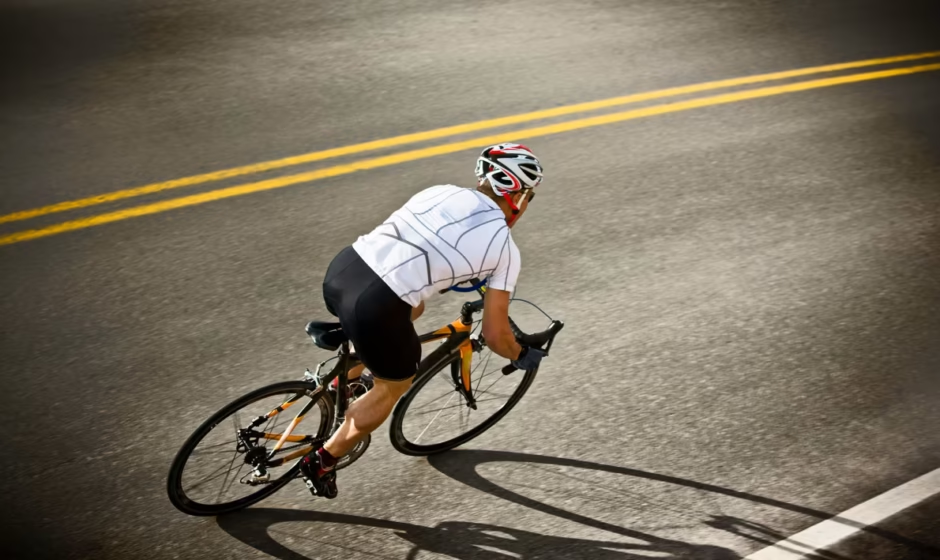

Cycling is widely praised as one of the best low-impact exercises for cardiovascular health, weight management, and mental well-being. However, concerns have long circulated about whether frequent cycling could negatively affect prostate health or contribute to erectile dysfunction (ED). Health experts say the reality is more nuanced — and far less alarming — than many fear.
The concern largely stems from pressure on the perineum, the area between the genitals and anus, which contains nerves and blood vessels involved in sexual function. Prolonged pressure from traditional bicycle saddles can temporarily restrict blood flow or irritate nerves, potentially leading to numbness or discomfort. In some cases, men worry this could translate into longer-term sexual health issues.
Medical experts emphasize that temporary numbness does not equal permanent damage. Research suggests that cycling itself does not directly cause erectile dysfunction or prostate disease in most men. In fact, regular physical activity — including cycling — is associated with improved cardiovascular health, which is essential for sexual function.
That said, bike fit and equipment matter. Poor saddle design, improper seat height, and long, uninterrupted rides can increase pressure on sensitive areas. Health professionals recommend using saddles designed to reduce perineal pressure, such as split-nose or wider seats, and ensuring the bike is properly fitted to the rider’s body.
Taking breaks during long rides is also important. Standing up periodically, shifting position, and avoiding excessive forward tilt can help restore blood flow and reduce nerve compression. Wearing padded cycling shorts can further minimize pressure and friction.
For prostate health specifically, current evidence does not support a strong link between cycling and increased prostate cancer risk. Some studies note temporary changes in prostate-specific antigen (PSA) levels after long rides, but these changes are usually short-lived and not considered harmful. Doctors often advise avoiding cycling for a day or two before PSA testing to prevent misleading results.
Men experiencing persistent numbness, pain, or sexual dysfunction should consult a healthcare provider. These symptoms can have many causes — including stress, cardiovascular issues, hormonal changes, or underlying medical conditions — and should not automatically be blamed on cycling.
Ultimately, experts agree that the benefits of cycling far outweigh the risks for most people. When done thoughtfully, cycling supports heart health, circulation, and overall wellness — all of which are key to sexual health.
Rather than giving up cycling, men are encouraged to ride smarter. With proper equipment, good posture, and balanced training habits, cycling can remain a safe, enjoyable, and health-promoting activity well into later life.