

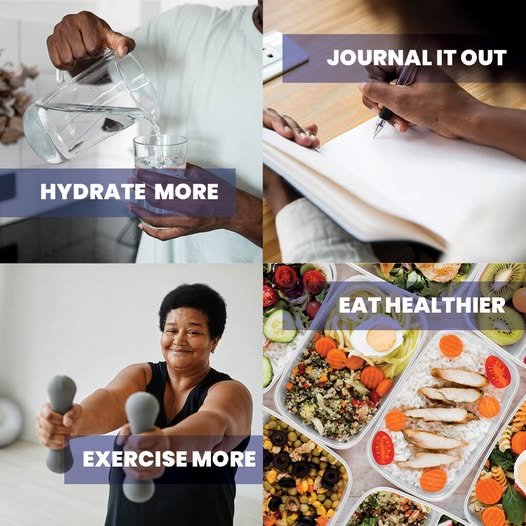

When people set out to have a healthier year, they usually start with ambition. Big goals, strict routines, dramatic changes. And yet, by February, most of those plans quietly fade. The reason isn’t lack of discipline. It’s human behavior. Sustainable health doesn’t come from extremes; it comes from habits that fit into real life.
The first habit that matters most is consistency in movement, not intensity. People often overestimate how much exercise they need and underestimate how little is enough. The body responds positively to regular movement walking, stretching, light strength work because it signals safety and stability to the nervous system. When movement becomes routine rather than a punishment, stress drops and energy improves naturally.
The second habit is eating with rhythm rather than restriction. Many people approach diet as control, which often backfires. Skipping meals, cutting food groups, or eating reactively leads to mental fatigue and emotional swings. Regular, balanced meals help stabilize blood sugar and mood. When the body trusts that nourishment is coming, cravings and anxiety often soften on their own.
Sleep is the third and most underestimated habit. People treat sleep as flexible, but the brain doesn’t. Poor sleep amplifies negative thinking, lowers patience, and increases emotional reactivity. A consistent sleep schedule, even more than total hours, helps regulate mood and decision-making. Rest doesn’t fix everything, but without it, everything feels harder.
The fourth habit is stress regulation, not stress elimination. Stress is unavoidable; how people respond to it is what matters. Short pauses, deep breathing, time outside, or moments of silence help reset the body’s stress response. These practices don’t remove problems, but they prevent stress from becoming chronic.
The fifth habit is social connection. Humans are wired for connection, yet it’s often neglected in health goals. Meaningful conversations, shared meals, or simple check-ins reduce feelings of isolation and improve emotional resilience. People cope better when they don’t feel alone in their efforts.
What ties these habits together is compassion. Health improves when people stop chasing perfection and start building trust with their bodies. Small, repeatable actions create momentum. Over time, those habits become identity not tasks to complete, but ways of living.
A healthier year doesn’t begin with pressure. It begins with understanding how humans actually change slowly, imperfectly, and through care rather than force.