


Padiham Greenway Gets Low Carbon Asphalt Upgrade
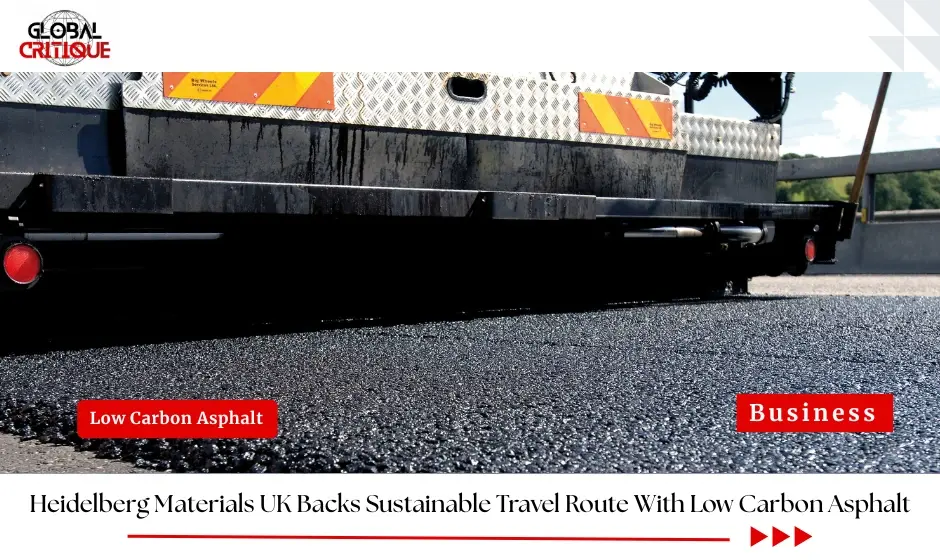
A section of the Padiham Greenway near Burnley has been resurfaced with low carbon asphalt supplied by Heidelberg Materials UK
The work covered around one point two kilometres of the route and used four hundred thirty tonnes of asphalt
The greenway is used every day by cyclists walkers families and local residents moving between Padiham nearby villages and Burnley town centre
Because the route follows an old railway line it has become an important local link as well as part of the National Cycle Network
The project was funded by National Highways and focused on making the route safer smoother and easier to use
Why The Project Matters
The Padiham Greenway is not only a leisure path
For many people it is a practical route for short journeys exercise school runs and local travel
A better surface can make a big difference for people who use the route regularly
It can also encourage more residents to walk or cycle instead of using cars for nearby trips
That is why the use of low carbon asphalt matters
The project improves local access while also reducing the carbon impact of the work itself
Sustainable Materials Used On TheRoute
The resurfacing work was carried out by BDS Yorkshire for Walk Wheel Cycle Trust which manages the route
The team used CarbonLock low carbon asphalt to help lower emissions from the project
Aggregate was sourced from Heidelberg Materials UK quarry in Pateley Bridge
Using material from a local source helped cut transport related emissions
It also made the project more practical because the supply chain was closer to the work site
For a green travel route this choice made sense because the construction method supported the same environmental goals as the route itself
Carbon Savings From The Upgrade
The project reduced carbon emissions by at least twenty five percent compared with standard asphalt
That saved around five point six tonnes of carbon dioxide across the upgraded section
CarbonLock asphalt contains natural biogenic material that absorbs carbon dioxide during its lifetime
The carbon remains held inside the material even if the asphalt is recycled later
This gives the material a longer term environmental benefit
It also shows how road and path upgrades can use lower carbon options without moving away from strong surface performance
Less Disruption For Local Users
The resurfacing work was planned alongside bridge repairs over the River Calder
By carrying out both jobs together the teams reduced the time the route had to stay closed
That helped local people return to their normal journeys sooner
This was important because many residents use the greenway for walking cycling exercise and daily movement
Long closures can cause problems for people who depend on the route
The joined planning helped complete the work in a more practical way for the community
Teamwork Behind The Project
James Playford Regional Director of Asphalt at Heidelberg Materials UK said the project showed that lower carbon materials can be used while still delivering reliable performance
He also highlighted the cooperation between the organisations involved
That teamwork helped the project move forward even with the challenges that come with improving a busy public route
The work brought together material supply construction route management and public funding
This kind of cooperation is becoming more important as local infrastructure projects face pressure to improve access and reduce emissions at the same time
Better Access For Everyday Users
Danny Morris Network Development Manager at Walk Wheel Cycle Trust said the improved surface will make the route easier for more people to use
The upgrade is expected to help wheelchair users people with mobility aids cyclists pedestrians and families
A smoother path can make the greenway safer and more comfortable especially for people who need a more stable surface
For the local community the improvement is simple but useful
It gives people a better route for travel leisure and daily movement
It also helps make the greenway more welcoming for users of different ages and abilities
Support For Active Travel
The project supports active travel by making walking and cycling easier in the area
When routes are safer and more comfortable more people may be willing to use them for short local journeys
That can help reduce car use on nearby roads
It can also support healthier travel choices and improve access between local communities
The low carbon asphalt adds another benefit because the route improvement itself has a smaller environmental footprint
This makes the Padiham Greenway upgrade a practical example of how transport projects can support both people and climate goals
Long Term Benefits For The Country
The completed work is expected to benefit the area for years
It gives local users a safer and smoother route
It also supports better access between Padiham Burnley and nearby villages
The use of lower carbon material shows how everyday infrastructure can be improved in a more responsible way
For Heidelberg Materials UK the project is a useful example of how low carbon construction products can be used in public spaces
For the community it means a better route that is easier to use and built with more attention to the environment
Heidelberg Materials Uk Supports Green Travel Route
Heidelberg Materials UK role in the Padiham Greenway project shows the growing demand for construction materials that can reduce emissions without weakening performance
The upgrade near Burnley brings together low carbon asphalt better access and local travel improvements
It is a small stretch of infrastructure but it shows how practical changes can support cleaner travel and stronger community routes
FAQS (Frequently Asked Questions)
What has been done on the padiham greenway
A section of around one point two kilometres of the Padiham Greenway near Burnley has been resurfaced with low carbon asphalt
What supplied the asphalt for the project
Heidelberg Materials UK supplied four hundred thirty tonnes of low carbon asphalt for the work
What is carbonlock asphalt
CarbonLock asphalt is a lower carbon material that helps lock carbon dioxide inside the asphalt and reduce emissions compared with standard asphalt
How much carbon was saved
The project cut emissions by at least twenty five percent and saved around five point six tonnes of carbon dioxide
Why is the padiham greenway important
The greenway is part of the National Cycle Network and gives cyclists pedestrians and local residents an important route between Padiham Burnley and nearby areas
What is carbonlock asphalt
CarbonLock asphalt is a lower carbon material that helps lock carbon dioxide inside the asphalt and reduce emissions compared with standard asphalt
How much carbon was saved
The project cut emissions by at least twenty five percent and saved around five point six tonnes of carbon dioxide
Why is the padiham greenway important
The greenway is part of the National Cycle Network and gives cyclists pedestrians and local residents an important route between Padiham Burnley and nearby areas