
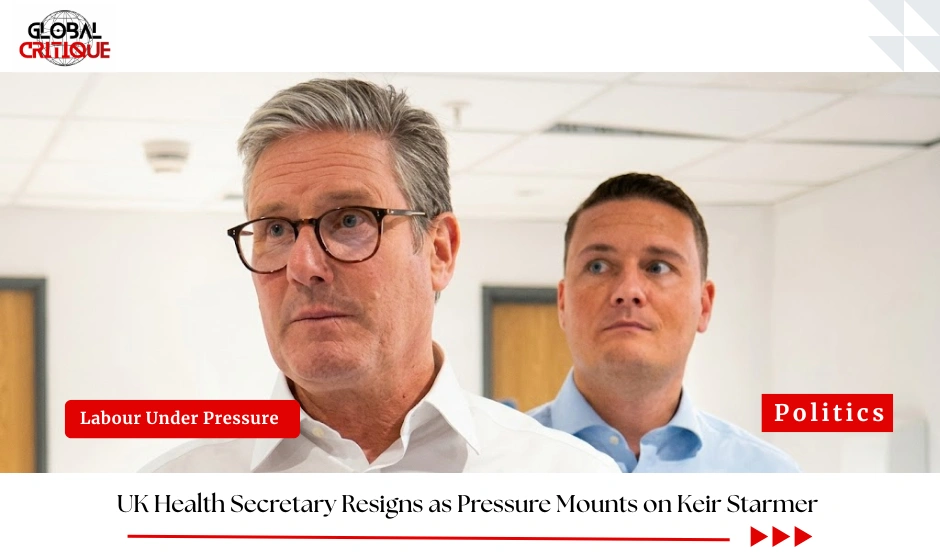

UK Health Secretary Resigns Amid Growing Political Pressure
The resignation of the United Kingdom’s health secretary has intensified political pressure on Prime Minister Keir Starmer and added new challenges for the Labour government as concerns surrounding the National Health Service continue growing across the country.
The departure comes during a period of rising public frustration over healthcare waiting times, staffing shortages, and broader pressure on public services. Political analysts say the resignation could create additional difficulties for Labour as the government attempts to maintain public confidence while managing economic and healthcare challenges.
NHS Pressures Continue Affecting Public Confidence
The National Health Service remains one of the most politically sensitive issues in British politics.
Hospitals and healthcare providers across the United Kingdom continue facing pressure from:
- long waiting lists
- staffing shortages
- rising operational costs
- increasing patient demand
Healthcare experts say years of pressure on NHS resources have created significant challenges for both patients and medical professionals.
Public concern surrounding healthcare access and treatment delays has remained high, increasing political pressure on government officials responsible for managing the healthcare system.
Resignation Raises Questions About Government Stability
The resignation has also increased scrutiny surrounding Labour’s broader leadership strategy and internal government stability.
Opposition politicians have criticized the government’s handling of healthcare issues, arguing that the resignation reflects deeper concerns within the administration.
Political analysts say high-profile resignations can damage public confidence if voters begin viewing them as signs of internal disagreement or policy failures.
Government officials, however, have attempted to reassure the public that healthcare reform and NHS investment remain central priorities for the administration.
Keir Starmer Faces Growing Political Challenges
Prime Minister Keir Starmer is now facing increasing pressure from both political opponents and sections of the public demanding faster progress on healthcare reform and public service improvement.
The Labour government has pledged to improve NHS performance, reduce waiting times, and strengthen public healthcare infrastructure.
However, economic pressures, inflation concerns, and budget constraints continue complicating efforts to increase public spending across multiple sectors.
Analysts say healthcare performance could become one of the defining political issues shaping voter sentiment ahead of future elections.
NHS Reform Debate Intensifies Across Britain
The resignation has renewed debate surrounding long-term NHS reform and funding priorities.
Some policymakers argue the healthcare system requires:
- larger long-term investment
- workforce expansion
- modernization of medical infrastructure
- improved efficiency within hospital systems
Others believe broader structural reform may be necessary to address persistent operational pressures affecting healthcare delivery across Britain.
Healthcare unions and medical organizations have also continued calling for improved working conditions and stronger recruitment efforts to address staff shortages.
Economic Pressures Continue Affecting Public Services
Broader economic challenges are also contributing to pressure on public services throughout the United Kingdom.
Higher inflation, rising energy costs, and slower economic growth have increased financial strain on government budgets while also affecting households across the country.
Economists say balancing public spending with fiscal stability remains one of the biggest challenges facing the Labour government.
The government is attempting to manage:
- healthcare funding
- inflation concerns
- public sector wages
- infrastructure investment
- economic growth expectations
while maintaining confidence among businesses, investors, and voters.
Opposition Parties Increase Criticism
Opposition parties have intensified criticism of the government following the resignation.
Political rivals argue the situation reflects broader weaknesses in Labour’s handling of healthcare and domestic policy issues.
Some opposition leaders have also questioned whether the government can successfully deliver promised NHS improvements while managing wider economic pressures.
Meanwhile, Labour supporters argue the healthcare system’s challenges developed over many years and will require long-term policy solutions rather than short-term political reactions.
Political Risks Ahead of Future Elections
The resignation could create additional political challenges for Labour as the government prepares for future elections and continued parliamentary pressure.
Political analysts say opposition parties are likely to use the resignation to question Labour’s ability to manage public services and maintain internal unity.
Healthcare performance, public spending, inflation, and immigration are expected to remain central issues shaping voter sentiment in the months ahead.
Some experts believe the government’s response to the NHS crisis may become one of the defining political tests of Keir Starmer’s leadership.
Investors and Businesses Monitor Political Stability
Financial markets and businesses also continue monitoring political developments in the United Kingdom.
Political instability can influence:
- investor confidence
- government borrowing costs
- currency markets
- business investment decisions
Analysts say investors generally prefer political stability and clear economic policy direction during periods of economic uncertainty.
Although the resignation alone is unlikely to trigger major financial disruption, continued political pressure could increase market sensitivity if broader economic concerns intensify.
Conclusion
The resignation of the UK health secretary has increased political pressure on Keir Starmer and intensified debate surrounding NHS reform, public spending, and government stability.
As healthcare challenges, economic pressures, and political tensions continue shaping British politics, the Labour government now faces growing expectations to deliver visible progress on public services and maintain voter confidence ahead of future elections.
Stay updated with trusted UK and global news on Global Critique