


NHS Staffing Pressure Raises Fresh Concern Over Patient Care
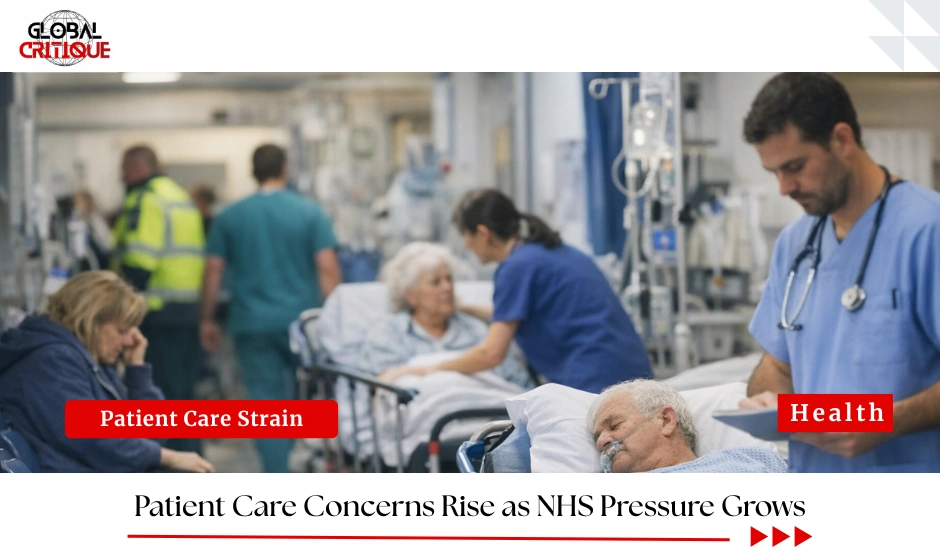
Pressure on NHS staffing is becoming a bigger health issue as services continue to deal with heavy demand across hospitals and clinics. The main concern is no longer only about workforce numbers. It is about how staff shortages can affect patient care, waiting times, and the overall quality of treatment across the system.
Patient Care Feels the Impact First
When hospitals do not have enough experienced staff, the effect is often seen first in patient care. Nurses, paramedics, and support teams take on heavier workloads, which can make it harder to keep services moving smoothly. In busy periods, that pressure can lead to longer waits and added strain across frontline care.
Hospitals Are Still Working Under Heavy Demand
Many parts of the NHS are already working under daily pressure from emergency admissions, routine treatment backlogs, and ongoing care needs. When staffing levels remain tight, it becomes even harder for hospitals to balance urgent cases with planned treatment. That keeps pressure high for both patients and workers.
Retention Problems Add to Health Service Strain
One of the biggest concerns is keeping experienced workers in the system. If too many staff leave or reduce their hours, services can lose valuable support at the same time demand stays high. That is why retention has become a health issue as much as a staffing issue. Stable teams are important for safe and steady patient care.
Waiting Times Remain a Key Concern
Patients often feel the pressure through waiting times. Staff shortages can slow appointments, delay treatment, and add pressure to emergency departments. Even when services continue to operate, a smaller workforce can make recovery harder for hospitals that are already trying to reduce backlogs.
Workforce Stability Matters for Public Health
A strong health service depends on more than buildings and equipment. It also depends on having enough trained people in the right roles. When workforce stability weakens, the wider health system can struggle to respond properly to everyday demand, seasonal pressure, and unexpected surges in need.
The Issue Goes Beyond Pay Alone
Pay is part of the debate, but it is not the whole story. Workload, stress, morale, and long-term career support also affect whether staff stay in the NHS. If those wider issues are not improved, the system may continue to face pressure even when short-term measures offer some relief.
Health Services Need Long Term Support
The bigger challenge now is building a health service that can keep enough experienced staff while also meeting patient demand. Short-term fixes may help for a while, but long-term support will matter more. For patients, the real issue is simple. A stronger workforce usually means better and faster care.