

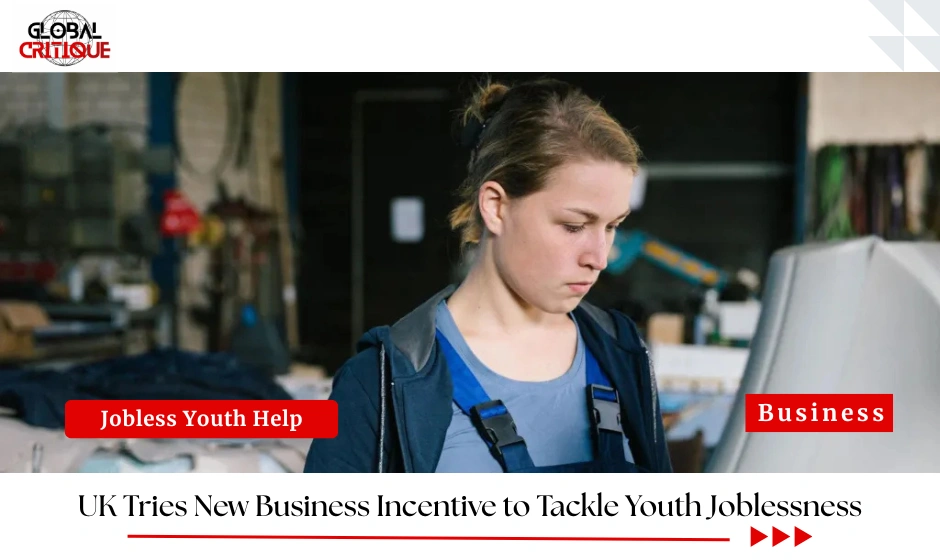

UK Offers Firms £3,000 to Hire Jobless Young People
The UK government is offering businesses £3,000 for each unemployed young person they hire under a new effort to tackle rising youth joblessness. The scheme is aimed at people aged 18 to 24 who have been claiming Universal Credit and actively looking for work for at least six months. Ministers say the plan is part of a wider drive to create 200,000 jobs and apprenticeships over the next three years.
The Plan Targets a Growing Youth Jobs Problem
The policy comes as youth unemployment has climbed sharply. Reuters reported that the jobless rate for 16 to 24-year-olds reached 16.1%, the highest level in about a decade, while the number of young people not in education, employment, or training has moved close to one million. That has pushed the government to focus more directly on getting young adults into paid work.
Businesses Get Cash Support to Take On New Staff
Under the new grant, employers will receive £3,000 for hiring an eligible young person. The government expects the Youth Jobs Grant to help around 60,000 people into work over three years. Alongside that, small and medium-sized businesses will be offered £2,000 for each new apprentice aged 16 to 24, which is meant to support another rise in training-based jobs.
The Wider Jobs Package Is Worth £1 Billion
The hiring payment is only one part of a larger employment package. The government says it will invest £1 billion to support 200,000 jobs and apprenticeships, while also expanding its Jobs Guarantee from ages 18 to 21 up to ages 18 to 24. That expansion is expected to create more than 35,000 extra subsidised jobs, lifting total support through the scheme to over 90,000 in the next three years.
Why This Matters for the Economy
This is not just a labour market story. It is also an economic one. When young people stay out of work for long periods, it can weaken household income, reduce spending power, and add pressure to welfare budgets. A stronger jobs pipeline could help firms fill vacancies while also improving long-term productivity and consumer demand. That economic logic is reflected in the scale of the package and the government’s focus on people who have already been job hunting for months. This is an editorial inference based on the announced measures and their target group.
Questions Remain Over How Much It Will Deliver
The policy may still face doubts over how quickly it can change the jobs picture. Some employers say rising wage costs and weaker growth have already made hiring harder. Which means a grant alone may not solve the broader problem. The opposition has also argued that the plan may not be enough to reverse the wider pressure on youth employment. Even so, the scheme marks one of the biggest direct interventions in youth hiring seen in recent years.
The Focus Now Shifts to Delivery
The success of the plan will depend on how easily businesses can access. The grant and whether enough employers are willing to take part. If take-up is strong, the measure could give thousands of young people. A route into work at a difficult moment for the labour market. If take-up is weak, the policy may struggle to make a lasting difference. For now, the message is clear; the government is trying to use direct business incentives to stop youth unemployment from rising further.