


Global Business Markets Rebound in West as Asia Slides
UK and US business markets edged higher on Wednesday after two days of heavy losses, while several Asian indexes dropped sharply for a third straight session. The FTSE 100 in London rose alongside major US and European benchmarks, offering some relief to investors. In contrast, Asian markets continued to struggle as concerns over energy supply and regional stability weighed heavily on sentiment.
Oil and Gas Prices Stay Unpredictable
Energy prices eased slightly midweek but remained far above pre-conflict levels. Since the United States and Israel launched strikes on Iran, Brent crude has climbed about 12%. Although prices dipped on Wednesday, they are still elevated due to fears the conflict could continue and disrupt supply routes.
UK benchmark gas prices surged more than 60% at one stage following the outbreak of hostilities. By midday trading on Wednesday, prices had retreated to around 127p per therm, down from Tuesday’s peak of 170p. Even so, volatility remains a key concern for businesses and households.
Strait of Hormuz Disruption Deepens Supply Fears
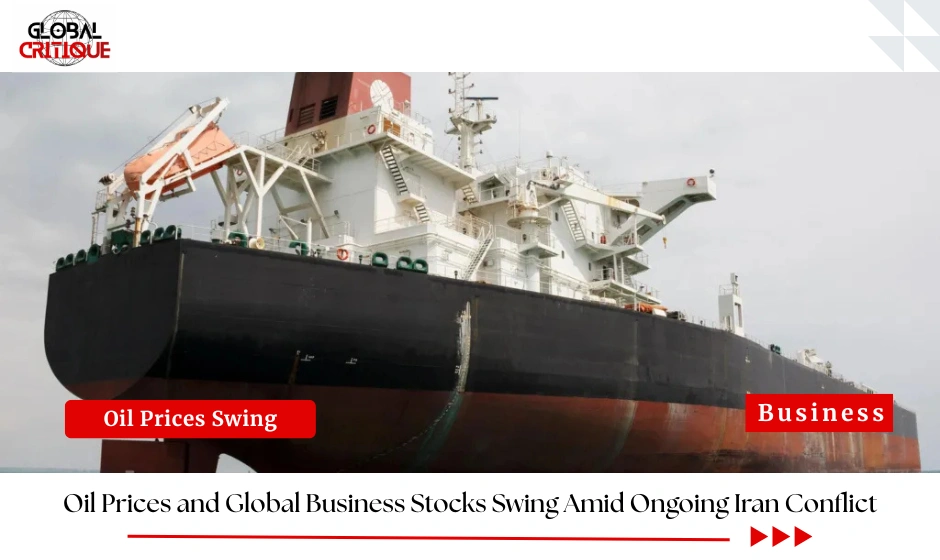
A major source of instability is the near shutdown of shipping through the Strait of Hormuz, a narrow passage between Iran and the United Arab Emirates. Roughly one fifth of the world’s Oil Prices and Gas Prices normally flow through this route. Following Iranian threats against vessels, traffic has almost completely stopped.
Data from Lloyd’s List Intelligence indicates that around 200 tankers are effectively stranded. Insurance premiums have surged, especially for ships linked to the US, UK, or Israel. While President Donald Trump has pledged naval protection and affordable risk insurance for oil tankers, industry experts question how workable that solution would be without a broader political settlement.
Impact on Asia and Global Energy Trade
Asian economies have been hit particularly hard due to their heavy reliance on Middle Eastern energy imports. Stock markets in South Korea and Thailand temporarily halted trading after steep falls triggered automatic circuit breakers designed to prevent panic selling.
Compounding the strain, QatarEnergy suspended liquefied natural gas production. Around 80% of Qatar’s LNG typically goes to Asian buyers, forcing them to compete for alternative supplies. This surge in demand has driven up LNG prices in Asia, with ripple effects reaching Europe and the UK.
Inflation and Interest Rate Risks for the UK
Higher energy costs could soon feed into UK inflation. David Miles of the Office for Budget Responsibility warned that sustained high oil and gas prices may lift overall price levels by around 1%. However, he noted the scale of increases remains smaller than those seen after Russia’s invasion of Ukraine.
Chancellor Rachel Reeves is meeting North Sea energy leaders to assess the economic impact and coordinate responses. Investors are now reconsidering expectations that the Bank of England would cut interest rates twice this year. Some analysts suggest that persistent energy inflation could even push rates back above 4%.
The Bank of England is set to announce its next interest rate decision on 19 March, with markets watching closely for signals on how policymakers will respond to ongoing volatility.