

Regional Conflict Expands After Major Strikes
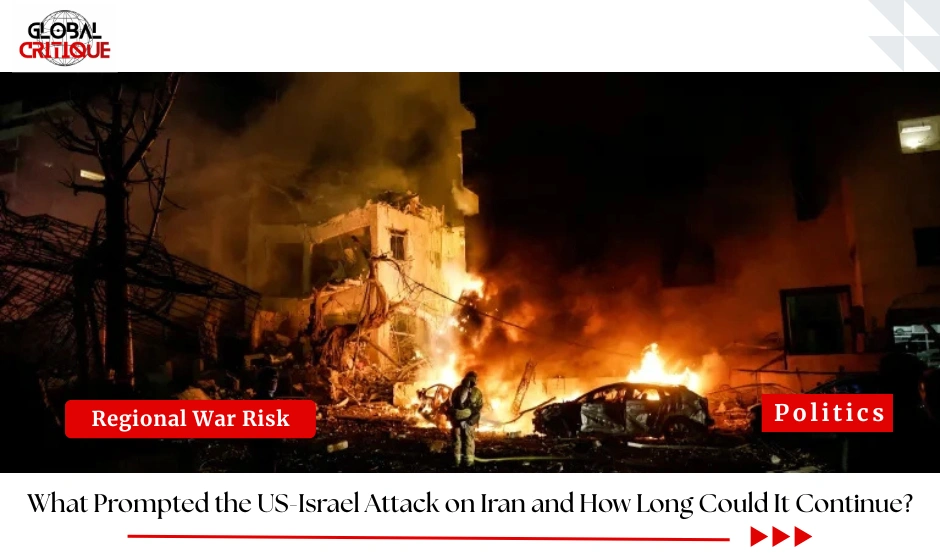
Tensions across the Middle East have surged after large-scale military strikes by the United States and Israel on Iran. The attacks resulted in the death of Iran’s supreme leader, a development that has dramatically shifted the political and security landscape of the region. The fallout has been swift, with multiple countries now feeling the impact of the escalation.
Iran Retaliates Against Gulf States
In response to the strikes, Iran launched attacks targeting countries aligned with the US in the Gulf region. Some of these strikes extended beyond military facilities and hit civilian locations and key energy infrastructure. This marked a serious widening of the conflict, raising concerns about regional stability and global energy supplies.
Fighting Spreads Beyond Immediate Frontlines
The confrontation has intensified rapidly, drawing in other nations, including Cyprus and Lebanon. What began as direct action against Iran has evolved into a broader regional crisis. Diplomatic efforts have so far failed to contain the violence, and there are few signs that the hostilities will slow down in the near term.
Details of the Initial Assault on Iran
On 28 February, US and Israeli forces carried out coordinated strikes across Iran. The operation focused on missile systems, strategic military facilities and senior leadership targets. The scale and precision of the attacks signalled a major shift in military engagement compared to previous confrontations.
Leadership Loss and Military Impact
Among those killed was Iran’s long-serving supreme leader, Ayatollah Ali Khamenei, who had been in power since 1989. Israeli officials also stated that several senior members of the Islamic Revolutionary Guard Corps were eliminated, including the commander-in-chief and the defence council secretary. The loss of top leadership figures has created uncertainty within Iran’s power structure and could influence the direction of the conflict in the weeks ahead.