

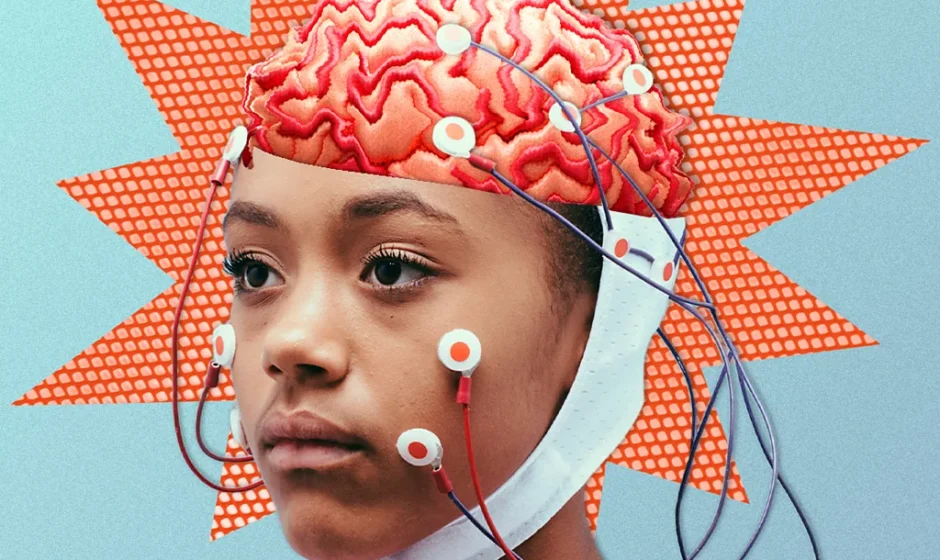

Migraines are often dismissed as simple headaches, but medical understanding increasingly shows they are complex neurological events with multiple triggers and stages. Rather than being caused by a single factor, migraines arise from a combination of brain activity changes, genetic sensitivity, and environmental influences.
At the core of a migraine is altered brain signaling. Researchers believe abnormal communication between nerve cells, brain chemicals, and blood vessels plays a central role. This can lead to changes in blood flow and inflammation around the brain, producing the intense pain and sensory disturbances commonly associated with migraine attacks.
Genetics also matter. Many people who experience migraines have a family history of the condition, suggesting an inherited sensitivity in how the brain processes stimuli such as light, sound, and stress. This sensitivity helps explain why everyday triggers can provoke severe symptoms in some individuals but not others.
Common triggers vary widely. Hormonal fluctuations, lack of sleep, dehydration, certain foods, stress, and even weather changes can contribute. Importantly, these triggers do not cause migraines on their own. Instead, they push a vulnerable brain past a threshold, setting off a cascade of neurological responses that result in pain, nausea, and visual disturbances.
Modern research also challenges older theories that focused solely on blood vessel dilation. While vascular changes are involved, migraines are now understood as disorders of brain function rather than purely circulatory problems. This shift has led to more targeted treatments aimed at nerve pathways and specific brain chemicals.
From a health analysis perspective, misunderstanding migraines has delayed effective treatment for many sufferers. Recognizing migraines as a neurological condition — not just a headache — is key to improving diagnosis, reducing stigma, and expanding access to proper care.
As science continues to uncover how migraines work, one thing is clear: they are not caused by weakness or lifestyle alone, but by a highly sensitive brain responding to both internal and external pressures.