

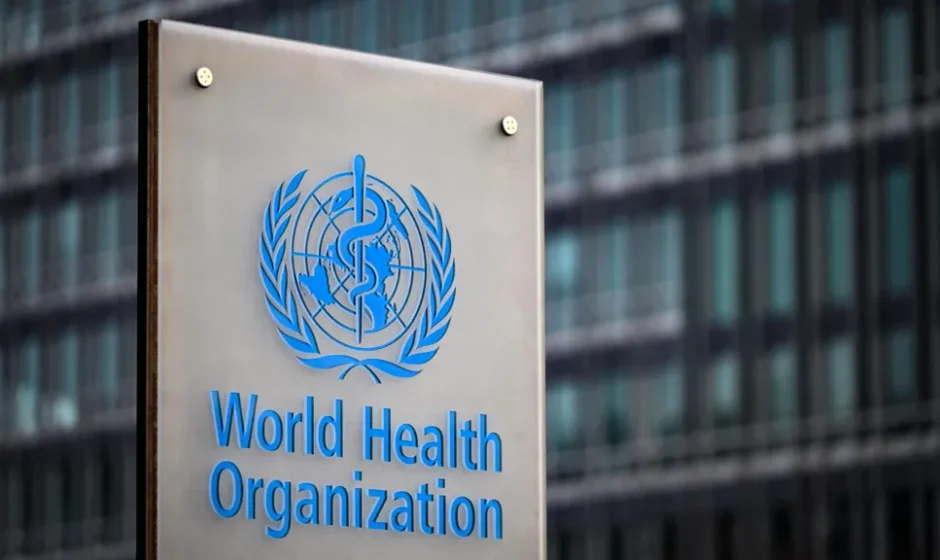

The United States has formally withdrawn from the World Health Organization, marking a significant turning point in its approach to global health cooperation. The decision ends decades of participation in the international body and raises questions about how future health crises, funding structures, and international coordination will be managed without US involvement.
The move reflects long-standing criticism from American leadership, particularly around concerns over transparency, governance, and the organization’s handling of global health emergencies. Supporters of the withdrawal argue that the US should prioritize national control over health policy and funding, rather than relying on multilateral institutions they view as inefficient or politically influenced.
From an analytical standpoint, the implications extend well beyond symbolism. The US had been one of the largest financial contributors, and its exit creates both a funding gap and a leadership vacuum. Other nations may step in to fill parts of that gap, but the loss of US influence could reshape decision-making dynamics within global health governance.
Critics warn that leaving the organization weakens international disease surveillance and coordination at a time when global health threats move faster than borders. Pandemics, vaccine distribution, and research collaboration often rely on shared data and joint planning areas that could become more fragmented without unified participation.
Domestically, the decision reflects a broader trend toward institutional disengagement and skepticism of international frameworks. While supporters frame the exit as a move toward sovereignty and accountability, opponents argue it risks isolating the US during future health emergencies.
For markets and policymakers alike, the withdrawal introduces uncertainty. Health-related investment, pharmaceutical coordination, and emergency preparedness may all face new challenges as global systems adjust.
Ultimately, the US departure from the World Health Organization represents more than a policy shift. It underscores a changing philosophy about global cooperation, one that could have lasting consequences for international health security.