

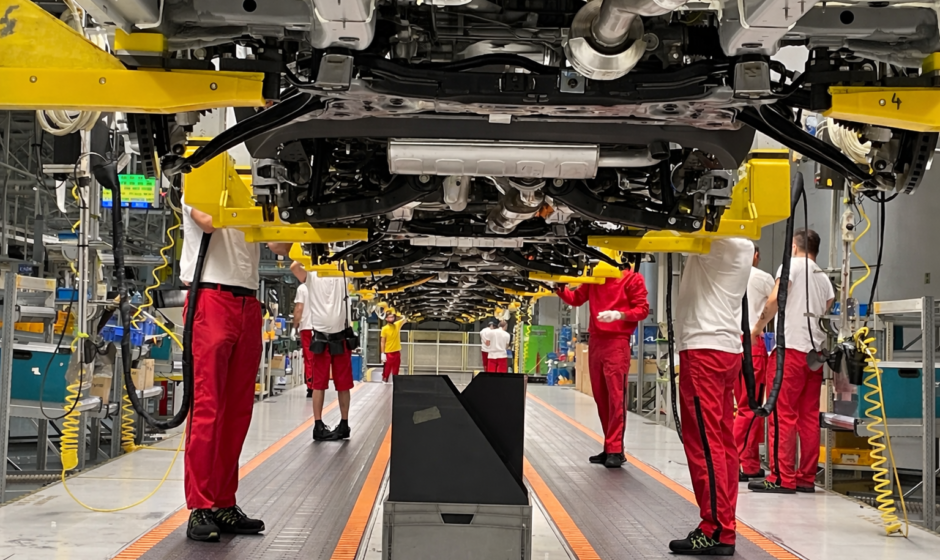

Decades ago, vehicles produced in this Central European country were widely seen as outdated, inefficient, and far behind Western standards. Manufacturing was shaped by rigid planning, limited innovation, and a closed economic system that left little room for global competitiveness. That perception, however, no longer reflects reality.
The turning point came after the collapse of the socialist system, when the country opened its doors to foreign investment and modern industrial practices. One major acquisition of a local car brand by a global automaker transformed not only production standards but also the broader industrial mindset. Modern technology, skilled training, and access to international markets reshaped the sector from the ground up.
Today, the country produces close to one million vehicles annually an extraordinary figure for a nation of just five million people. Automotive manufacturing has become the backbone of the economy, supporting thousands of jobs and driving exports. High productivity, technical expertise, and a reputation for reliability have made the country one of the world’s most car-dependent economies on a per-capita basis.
Several factors explain this success. Competitive labor costs, strong vocational education, and close cooperation between manufacturers and the government have created an environment that attracts long-term investment. Equally important is geography. Located at the heart of Europe, the country offers easy access to major markets and supply chains, making it an ideal production hub.
The momentum shows no sign of slowing. A new factory announced by a major Scandinavian manufacturer is expected to further increase output by the end of the decade, reinforcing the country’s status as a strategic center for vehicle production. This expansion also signals confidence in the nation’s ability to adapt to future trends, including electric vehicles and advanced manufacturing.
What was once an industrial afterthought has evolved into a global automotive success story. For analysts, this transformation highlights how strategic investment, skilled labor, and policy stability can redefine a country’s economic identity.