

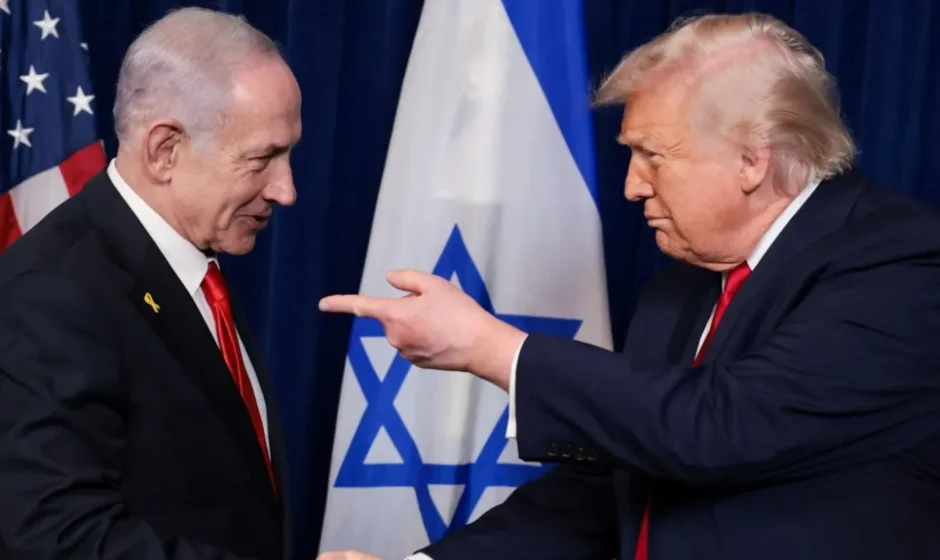

When political leaders accept roles framed around peace, the gesture is rarely just ceremonial. It sends signals — to allies, to opponents, and to the public — about intent, alignment, and timing. The decision by Israel’s prime minister to join a newly formed peace-oriented board backed by former US leadership is one such moment, layered with symbolism and strategic calculation.
From a human-behaviour perspective, participation in peace initiatives often reflects more than a desire for resolution. It can also be about narrative control. Leaders understand that optics matter. Associating with the language of peace can soften perceptions, reposition authority, and reframe leadership during periods of scrutiny or tension.
This move comes at a time when global audiences are deeply skeptical of political branding. The word “peace” carries emotional weight, but it also invites examination. People instinctively ask whether structures labeled as peacemaking bodies hold real influence — or whether they function as platforms for alignment and legitimacy.
Power dynamics are central here. Boards, councils, and advisory groups often operate in the space between action and symbolism. They rarely enforce outcomes, but they do shape conversation. For leaders, joining such bodies can offer strategic visibility without immediate policy commitment. Human behaviour favors flexibility when outcomes are uncertain.
There is also a relational aspect. Political alliances thrive on familiarity and mutual reinforcement. Public cooperation between high-profile figures signals trust, even if practical goals remain undefined. These gestures can strengthen personal political bonds that later influence decisions behind closed doors.
From a professional standpoint, peace initiatives backed by political figures outside formal office raise important questions. Without institutional authority, their influence depends largely on reputation, access, and media attention. That doesn’t make them irrelevant — but it does mean their effectiveness is shaped more by perception than enforcement.
Public response to such announcements is often divided. Supporters view them as steps toward dialogue. Critics see them as symbolic distractions from unresolved conflicts. Both reactions stem from the same psychological root: people want peace, but they distrust processes that feel detached from consequences.
Timing also matters. Peace gestures tend to surface when political landscapes are shifting. In those moments, leaders look for platforms that project stability and statesmanship. Joining a peace-focused body offers exactly that — a way to appear forward-looking without committing to immediate compromise.
Ultimately, the significance of this move will not be determined by the announcement itself, but by what follows. Human behaviour teaches us that credibility is built through consistency, not symbolism. Participation invites scrutiny, and scrutiny demands substance.
For now, this alliance stands as a reminder that in global politics, peace is not only a goal — it is also a language. And like all powerful language, it can inspire, deflect, unite, or divide, depending on how it is used next.