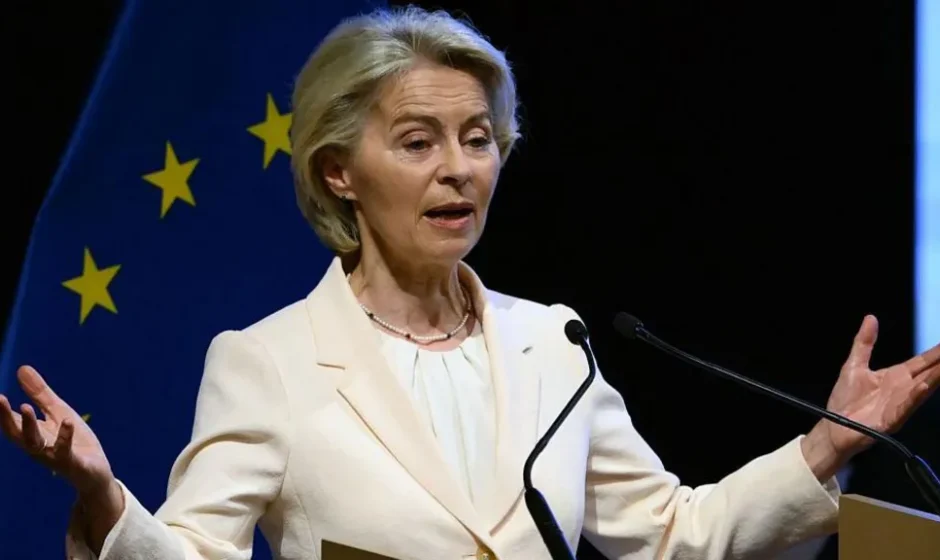

When tariffs enter the conversation, the issue is rarely just economics. It becomes about posture, credibility, and how power is exercised under pressure. The prospect of new tariffs linked to Greenland has placed Europe in a familiar but uncomfortable position: respond forcefully and risk escalation, or respond cautiously and risk appearing passive.
From a human-behaviour perspective, institutions behave much like individuals when challenged. The first instinct is assessment not action. Europe’s response is likely to begin with restraint, because large systems value stability over impulse. Immediate retaliation may satisfy emotion, but long-term actors tend to prioritize control of outcomes rather than headlines.
Trade pressure forces a psychological recalibration. Europe must weigh internal unity against external signaling. A fragmented response would weaken leverage, while a coordinated stance requires consensus something that takes time. Human systems under stress often struggle with alignment, even when interests broadly overlap.
There is also the question of precedent. How Europe reacts now sets expectations for future disputes. If tariffs tied to strategic territories go unanswered, it may invite repetition. But overreaction risks hardening positions on both sides, reducing flexibility later. This tension between deterrence and de-escalation defines much of modern economic diplomacy.
Another layer is public perception. European leaders are accountable not only to markets, but to voters. Citizens may interpret tariffs as an external challenge to sovereignty or fairness, increasing pressure on policymakers to “stand firm.” Yet voters also feel the downstream effects of trade friction through prices, jobs, and economic uncertainty. Leaders must balance symbolic strength with practical restraint.
Human behaviour tends to favor proportionality when stakes are high. Europe’s likely response may involve targeted measures, legal challenges, or strategic negotiations rather than sweeping retaliation. These approaches satisfy the need to respond without closing off future dialogue.
There’s also a strategic patience at play. Trade disputes are rarely resolved quickly, and Europe has experience absorbing short-term pressure while positioning for long-term leverage. Time can be a tool as much as tariffs themselves.
At its core, this situation is less about Greenland alone and more about how influence is asserted in a shifting global order. Economic tools have become extensions of political will. How Europe chooses to respond will signal how it navigates power in an era where pressure is often indirect but persistent.
Ultimately, Europe’s challenge is behavioral as much as economic: remain composed under provocation, unified under pressure, and deliberate in response. The choices made now will echo beyond tariffs shaping how Europe is perceived when the next test inevitably arrives.