

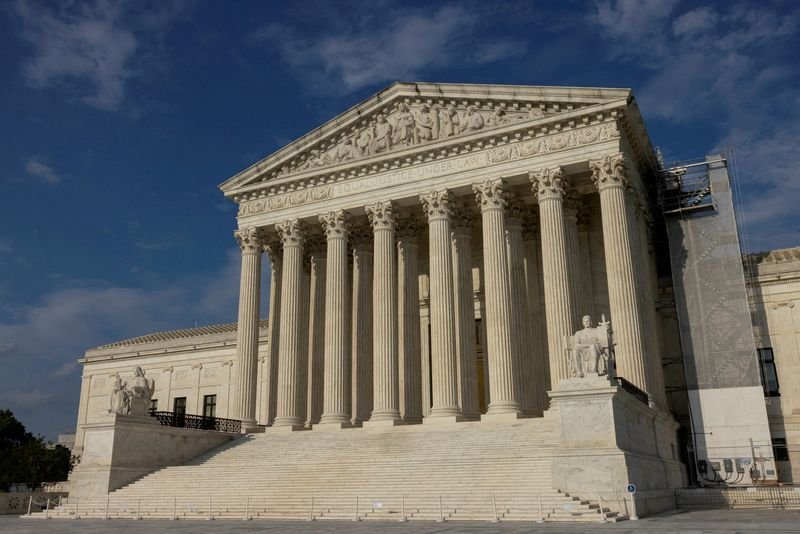

When people hear that a court may soon rule on tariffs, it can sound distant — like something that only matters to lawyers, politicians, or economists. But beneath the headlines, this moment is quietly charged with tension because tariffs don’t live on paper. They live in prices, paychecks, and decisions people make every day.
Tariffs are one of those policies that feel abstract until they aren’t. At first, they’re framed as leverage or strategy. Over time, they show up as higher costs, thinner margins, and tougher choices. Businesses hesitate before hiring. Consumers pause before spending. Everyone adjusts, even if they don’t know exactly why.
What makes this moment especially heavy is uncertainty. People can handle bad news better than unclear news. When rules might change — or might not — behavior shifts. Companies delay investments. Supply chains stay cautious. Households stay defensive. Uncertainty freezes movement more effectively than any policy ever could.
Human behavior around money is deeply emotional. When people fear prices could rise again, they become protective. They save instead of spend. They wait instead of act. That collective hesitation slowly reshapes the economy from the inside.
For businesses, tariffs aren’t about politics — they’re about survival. Decisions get filtered through one simple question: Can we absorb this cost? If the answer is no, something else has to give. Sometimes it’s wages. Sometimes it’s expansion. Sometimes it’s jobs. Those choices are never theoretical to the people affected.
There’s also pride involved. Trade policy often becomes symbolic — about strength, fairness, and control. But symbols have consequences. When economic pressure builds, frustration grows quietly. People don’t always connect higher prices to policy decisions, but they feel the stress nonetheless.
What’s unfolding now isn’t just a legal ruling. It’s a moment where expectations could shift. If tariffs stay, people brace for longer-term strain. If they fall, there’s cautious relief — not celebration, but breathing room. Either way, behavior will change before numbers do.
Markets often react first because markets are emotional too. They move on belief, not certainty. Confidence rises or falls based on what people think will happen next, not what’s already happened.
In the end, this ruling matters because it touches something very human: predictability. People want to know the rules so they can plan their lives. When those rules are in question, anxiety fills the gap.
Whatever the outcome, the real impact won’t be measured in statements or court documents. It will show up slowly — in spending habits, hiring decisions, and the quiet calculations people make every day about what feels safe.
And that’s why this moment feels bigger than trade policy. It’s about trust, stability, and whether people feel they can move forward without looking over their shoulder.