

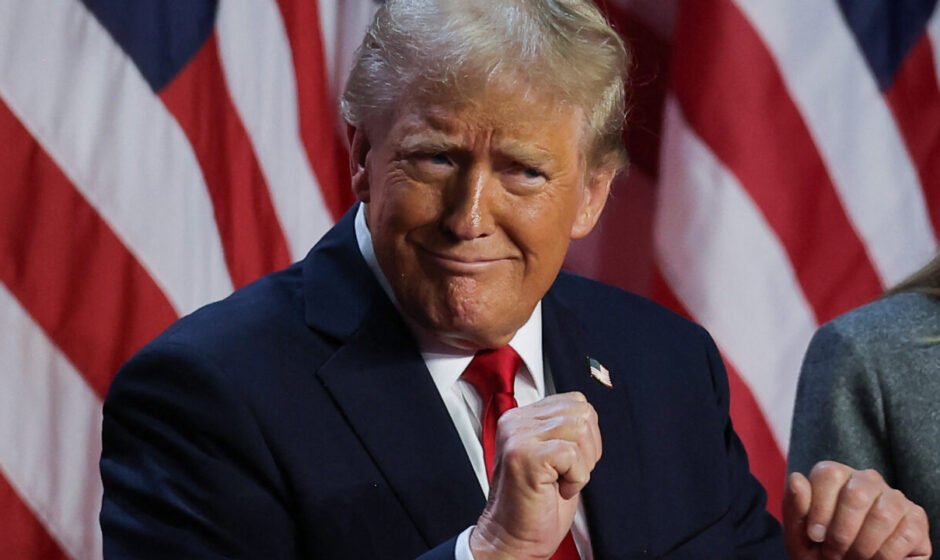

Former US President Donald Trump is once again actively discussing the possibility of the United States acquiring Greenland, according to statements from the White House. The idea, which first surfaced during his presidency, has resurfaced as a political talking point with far-reaching diplomatic and geopolitical implications.
At its core, the renewed discussion highlights how strategic geography is becoming increasingly important in global politics. Greenland occupies a crucial position in the Arctic, a region gaining significance due to climate change, emerging shipping routes, and military considerations. As ice recedes, access to resources and control over Arctic corridors are becoming central to long-term national security planning.
From a political standpoint, Trump’s interest reflects a broader “America First” mindset that prioritizes strategic advantage and influence. Supporters argue that closer control over Greenland could strengthen US defense capabilities, enhance Arctic monitoring, and reduce the growing influence of rival powers in the region. The island’s proximity to North America makes it particularly relevant in discussions around missile defense and early-warning systems.
However, the proposal has generated strong international reaction. Greenland is a self-governing territory within the Kingdom of Denmark, and both Danish and Greenlandic leaders have repeatedly rejected the notion of a sale. Politically, the idea raises serious questions about sovereignty, international law, and respect for self-determination. Any attempt to alter Greenland’s status would require complex negotiations and consent from multiple stakeholders.
The discussion also carries domestic political implications. Revisiting the Greenland idea allows Trump to reinforce his image as a leader willing to challenge traditional diplomatic norms and pursue bold strategies. Critics, however, view the proposal as impractical and potentially damaging to relations with key allies.
Beyond symbolism, the renewed attention underscores how competition among major powers is expanding into new regions. The Arctic is increasingly seen as a future arena of economic opportunity and political rivalry. As global powers position themselves, Greenland’s role has shifted from remote territory to strategic focal point.
In conclusion, Trump’s active discussions about potentially buying Greenland go far beyond a controversial headline. They reflect deeper political calculations tied to security, influence, and global power dynamics. Whether the idea advances beyond discussion or remains a political statement, it has once again placed Greenland—and the Arctic—at the center of international political debate.