

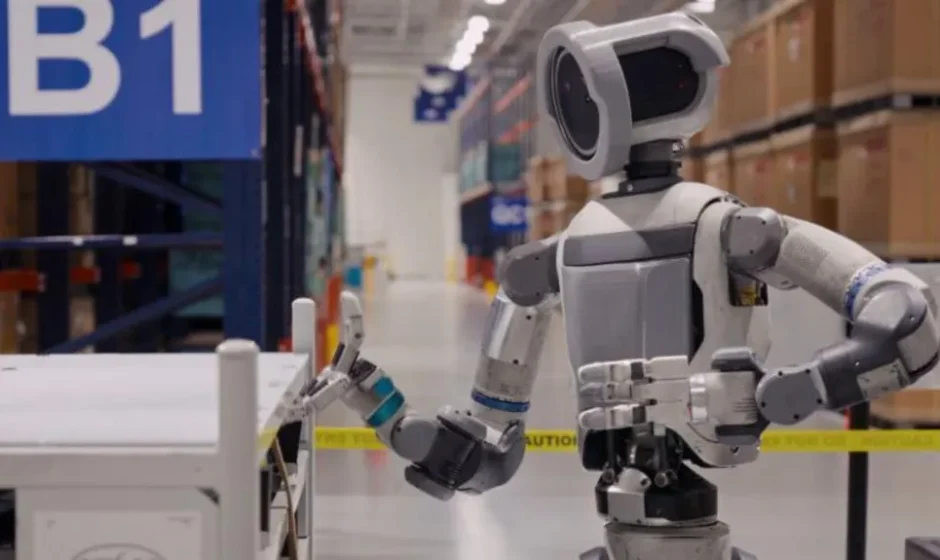

Hyundai is preparing to take a major step toward the future of manufacturing by introducing human-like robots into its factory operations. The move reflects a growing shift within the automotive industry toward advanced automation, as companies look for new ways to improve efficiency, safety, and productivity in increasingly complex production environments.
The robots are designed to closely mimic human movement, allowing them to perform tasks that traditionally required manual labor. Unlike conventional industrial robots that are limited to repetitive actions, these human-like machines are built to navigate factory floors, handle tools, and interact with equipment in a more flexible manner. This capability makes them particularly suitable for environments where adaptability is essential.
One of the key motivations behind this development is workforce support. Manufacturing plants often face labor shortages, physically demanding tasks, and safety risks. By deploying robots capable of performing strenuous or hazardous work, Hyundai aims to reduce strain on human workers while maintaining high production standards. Employees can then focus on supervision, quality control, and specialized roles that require human judgment.
The use of advanced robotics also aligns with Hyundai’s long-term innovation strategy. As vehicles become more technologically complex, production processes must evolve accordingly. Human-like robots can assist with precision assembly, logistics within factories, and real-time problem solving, helping streamline operations and reduce errors.
Beyond efficiency, the move raises broader questions about the future of work. While automation often sparks concerns about job displacement, companies emphasize that robots are intended to complement human workers rather than replace them. In many cases, automation helps address skills gaps and improves overall working conditions by taking over repetitive or physically taxing tasks.
The automotive sector is not alone in exploring such technology. Industries ranging from logistics to healthcare are experimenting with robots that can operate in human-designed environments. Hyundai’s decision signals that humanoid robotics may soon move from experimental projects to real-world industrial applications.
In conclusion, Hyundai’s plan to introduce human-like robots into its factories marks a significant milestone in modern manufacturing. By combining automation with human-style mobility and adaptability, the company is positioning itself at the forefront of industrial innovation. As this technology develops, it may redefine how factories operate and how humans and machines collaborate in the workplace.