


As global travel continues to rebound and evolve, 2025 is shaping up to be a year defined by both rediscovery and exploration. While iconic cities like London, Tokyo, and Paris remain perennial favorites, travelers are increasingly looking beyond the usual routes to uncover emerging destinations that offer culture, authenticity, and new experiences.
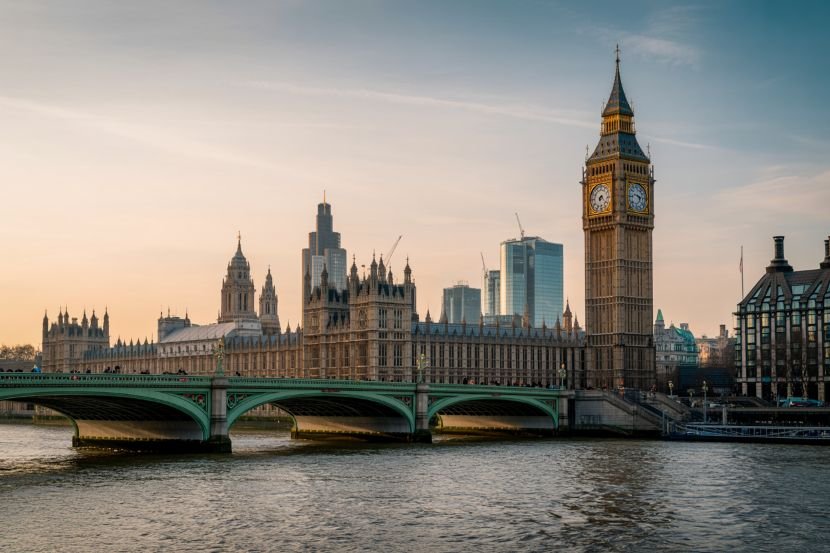
Classic global capitals are attracting renewed interest thanks to fresh perspectives. London continues to reinvent itself with new cultural spaces, revitalized neighborhoods, and a growing food and arts scene. Its blend of history and modernity makes it a natural choice for travelers seeking familiarity with constant reinvention.
Paris, meanwhile, remains timeless. In 2025, the city’s appeal lies not only in its landmarks, but in its evolving lifestyle offerings — from quieter residential districts to sustainable dining and design-focused experiences. Visitors are increasingly exploring Paris beyond the Eiffel Tower, embracing slower, more immersive travel.
Tokyo stands out as a destination that seamlessly blends tradition and technology. Travelers are drawn to its contrasts: ancient temples alongside futuristic architecture, serene rituals alongside hyper-modern pop culture. As Japan continues to welcome international tourism, Tokyo remains a gateway to both innovation and heritage.
Beyond these established destinations, 2025 is also about emerging travel hotspots. Cities and regions previously overlooked are gaining attention as travelers seek originality and deeper connections. These destinations often offer rich local culture, less crowding, and better value — all key priorities for modern travelers.
Sustainability and wellness are shaping destination choices as well. Travelers are prioritizing places that support eco-conscious tourism, local communities, and slower travel rhythms. This shift is encouraging exploration of secondary cities, coastal towns, and culturally rich regions that emphasize balance over excess.
Another defining trend for 2025 is flexibility. With remote work and longer stays becoming more common, travelers are no longer limited to short vacations. Instead, many are planning extended trips that combine work, leisure, and cultural immersion — choosing destinations that support lifestyle travel rather than quick sightseeing.
Ultimately, travel in 2025 is less about ticking destinations off a list and more about how a place makes you feel. Whether wandering the streets of Paris, navigating Tokyo’s neighborhoods, or discovering a rising destination for the first time, travelers are seeking meaning, connection, and memorable experiences.
As the world opens further, 2025 invites travelers to balance the comfort of beloved cities with the excitement of the unknown — proving that the future of travel lies in curiosity, intention, and exploration without limits.