

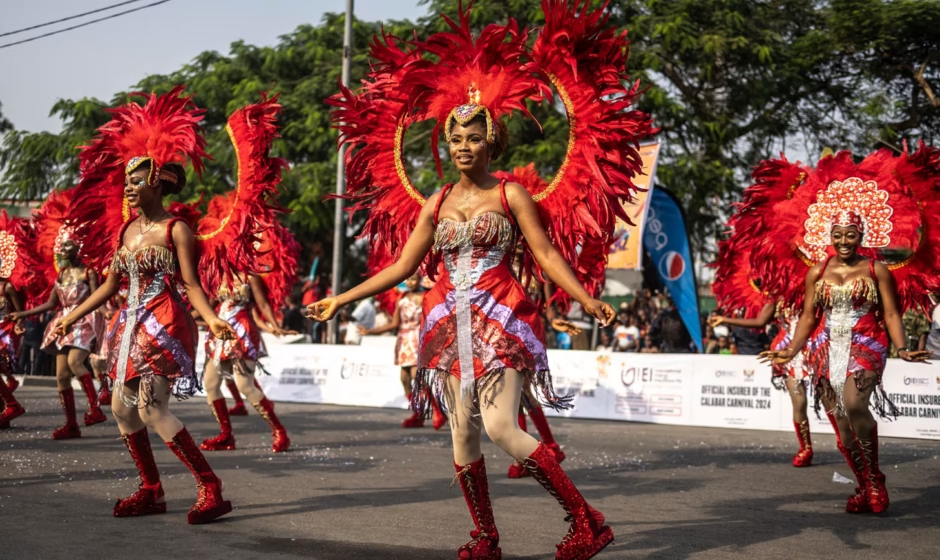

Every December, Nigeria transforms into one of the world’s most energetic party destinations. Known locally and globally as “Detty December,” the festive season draws thousands of visitors, including members of the African diaspora, international tourists, musicians, and influencers. From Lagos to Abuja, concerts, beach parties, weddings, and nightlife events dominate the calendar, turning the country into a cultural hotspot. However, alongside the excitement, Detty December also exposes growing logistical and social challenges.
At its best, Detty December is a powerful showcase of Nigerian culture. Music, fashion, food, and nightlife thrive as artists host concerts and clubs fill nightly. For many in the diaspora, the season is a long-awaited homecoming – a chance to reconnect with culture and community. Economically, the impact is significant. Hotels sell out, airlines add flights, ride-hailing services surge, and small businesses benefit from increased spending.
Yet the rapid growth of Detty December has also strained infrastructure. Traffic congestion in major cities like Lagos can be overwhelming, with travel times stretching for hours. Road conditions, limited public transport options, and inadequate urban planning amplify the problem. Visitors unfamiliar with the city often find navigating the chaos stressful rather than celebratory.
Accommodation shortages are another major issue. Demand far exceeds supply during peak weeks, driving up hotel prices and increasing reliance on short-term rentals. This has raised concerns about affordability for locals and safety standards for travelers. Power outages, water shortages, and inconsistent internet access further highlight the pressure placed on existing infrastructure.
Security concerns also emerge during the festive rush. Large crowds, late-night events, and increased alcohol consumption can heighten the risk of theft or accidents. While many event organizers invest heavily in private security, public safety resources are stretched thin during the season.
There are also cultural tensions. Some locals feel priced out of their own cities during December, as venues prioritize high-spending visitors. Others worry that the commercialization of Detty December risks overshadowing its cultural roots.
Despite these challenges, Detty December remains a defining moment for Nigeria’s global image. The season demonstrates the country’s creative power and cultural influence, while also underscoring the urgent need for better planning, investment, and coordination. With improved infrastructure and thoughtful regulation, Detty December could continue to thrive — not just as a party season, but as a sustainable driver of tourism and economic growth.